Amazon Elastic Compute Cloud (EC2) is one of the core services of AWS, designed to help users reduce the cost of acquiring and reserving hardware. EC2 represents the compute infrastructure of Amazon’s cloud service offerings, providing organizations a customizable selection of processors, storage, networking, operating systems, and purchasing models.
2022, the world is the technological paradise you always dreamed of. Space mining, smart cities, 3D printers to make your own Darth Vader mask… Just a little problem, society is based on digitization and communications and you have no idea about the visibility of distributed networks. Something of vital importance considering the rise of cybercrime. Well, don’t worry, we’ll help you.
2021’s slew of Internet outages or disruptions show how connected and relatively fragile the Internet ecosystem is. Case in point: December’s trifecta of Amazon Web Services (AWS) outages, which really brought home the fact that no service is too big to fail: The reality is, the next outage is not if, but when, where, and for how long. Pretending they don’t exist or won’t happen is not only pointless but harmful to your business.
With the proliferation of security SaaS platforms, such as Cloudflare, Proofpoint, and PingOne, enterprises must figure out how to integrate third-party data shipped over the internet into their analytics and SIEM platforms. This requirement to integrate third-party data raises a host of security, infrastructure, and data quality questions. Enterprises can lower risk, and complete projects faster, by using Cribl LogStream Cloud to solve their challenges in managing third-party SaaS platform data.
In a previous post, we looked at an example of a fictional bookstore company and recommended mirroring strategies for that specific scenario. In this post, we’ll be looking at a fictional bank and recommended mirroring strategies for their network traffic. For a list of the most commonly used strategies, check out our traffic mirroring tutorial.
In this modern era, most companies want to make customers happy using emerging technologies. This is why they utilize multiple types of tools and new technologies to attract customers in their funnel and finally convert them into leads. However, it has some demerits too.
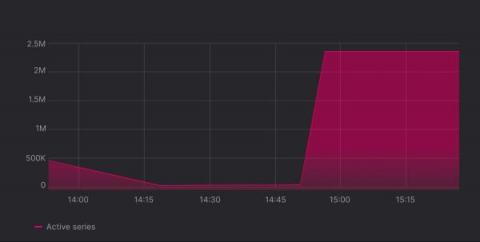
At Grafana Labs, we spend a lot of time talking to our customers, and something we’ve heard from people in a wide range of organizations is that they want to be able to better manage sudden spikes in cardinality. Here we will give you a basic overview of what cardinality is and why it’s an important factor in your observability setup, especially when there is a dramatic uptick.
As IT operations leaders, it’s intuitive and natural to desire fewer software products to manage an IT estate. That extends to standardizing all the operational processes to deliver significant benefits for the business.
As the world has shifted towards remote work in the wake of Covid-19, the need for remote management and monitoring tools has increased. Managed service providers (MSPs) use RMMs to provide off-site, automated and streamlined support to their clients for their IT needs. Having an efficient RMM can reduce workload and give MSPs a competitive edge over adversaries. So let’s take a more detailed look at what an RMM software can do and then a look at the best RMM software tools for MSPs in 2022.