Operations | Monitoring | ITSM | DevOps | Cloud

Why and how to monitor Amazon API Gateway HTTP APIs

API gateways are part of every modern microservice architecture. As their name already suggests, they are the gateway into your system; everyone who wants to access your service has to go through a gateway. In 2019, AWS announced HTTP APIs for its API Gateway (APIG) service. This was a big step to add more flexibility and lower latency to APIG. Before this release, you could only build REST APIs with APIG, which only helped when you wanted to create an API based on the REST architecture.

Announcing Logz.io Alert Manager for Metrics

Logz.io alerts are a critical capability for our customers monitoring their production environment. By keeping a watchful eye for data that indicates an issue – like spiking memory metrics or 3xx-4xx response codes – alerting quickly notifies engineers that something is going wrong. Setting an actionable alert to immediately notify engineers of oncoming problems can be the difference between a minor issue and a major event with widespread customer impact.

How low-level API calls can stabilize your end-to-end tests

We’re heavy end-to-end monitoring users here at Checkly and always experiment with how to architect our tests the best way. Over the past months, we’ve settled on a few workflows that make it much easier to spin up new tests, avoid code duplication, and make the entire test setup easier to manage. One of those strategies is to strictly separate concerns in our tests.

GrafanaCONline 2022 Day 2 recap: Grafana 9, Grafana Mimir, Grafana Tempo demos, new hackathon projects, and more

The excitement around GrafanaCONline 2022 continues to soar after another day filled with demos of new features and functionalities in Grafana 9, Grafana Mimir, and Grafana Tempo. Plus we learned how a mini arcade turned into a Grafana display; how Grafana transformed into a health tracker, and how, yes, Grafana can run Doom.

An Introduction to Windows Event Logs

The value of log files goes far beyond their traditional remit of diagnosing and troubleshooting issues reported in production. They provide a wealth of information about your systems’ health and behavior, helping you spot issues as they emerge. By aggregating and analyzing your log file data in real time, you can proactively monitor your network, servers, user workstations, and applications for signs of trouble.

Recommended AppSignal Setup

We're launching our new Getting Started page. This feature helps first-time users to set up their monitoring with AppSignal, as soon as they've signed up. Before we dive in, we'd love to share our beliefs about onboarding. All developers share these same “first-time” moments: Many of our customers start monitoring their applications for the first time with AppSignal, or experience new types of issues when scaling an application.

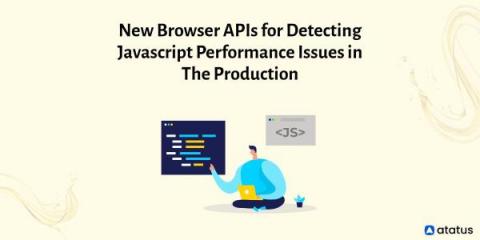
New Browser APIs for Detecting Javascript Performance Issues in The Production

Users nowadays demand the greatest possible experience, which implies top-notch performance. Smooth scrolling, prompt interaction responses, a fast page load time, and flawless animations are all things they anticipate. Local profiling to identify performance issues is convenient, but it only provides a limited amount of information. While things may run smoothly on our high-end developer machines, the user may be dealing with poor hardware and a bad experience.

What's Up with Synthetic Monitoring?

If you are running a website or have a live application, you will have to ensure that the digital experience for your end-user is seamless. That is where Synthetic Monitoring can help. Any bad experience, delay, or even a glitch could hurt your budget. Industry experts unanimously agree that it is best to ensure that the web pages load as quickly as possible.

Beware the 'Secret Agent' Cloud Middleware

New open source database details the software that cloud service providers typically silently install on enterprises’ virtual machines — often unbeknownst to customers. If cloud services weren’t complicated enough for the typical business today to properly configure and secure, there’s also a lesser-known layer of middleware that cloud providers run that can harbor hidden security flaws.

Take control of your telemetry data with Datadog Observability Pipelines

Many organizations manage applications that are supported by a large number of services in multiple environments, ranging from the cloud to their own data centers across the globe. As these organizations scale and accelerate service adoption, the volume of telemetry data in their environments multiplies every year.