Operations | Monitoring | ITSM | DevOps | Cloud

Networking Automation Software: Pros & Cons

What is network automation software? It’s something we’re going to be seeing a lot of in the near future. Networks worldwide continue to grow at astonishing rates to supply organizations with the access and bandwidth they need to operate. But in a survey by Oracle, 76% of respondents said network complexity was one of management’s biggest challenges. As network growth increases—and complexity along with it—we’ll need efficient and scalable ways to handle it.


Introducing OpUtils' IP Request tool

Are multiple IT operators accessing, utilizing, or managing your network address space? If so, then you might have noticed that one of the time-consuming network management tasks you are undertaking regularly, is allocating IP addresses to the IT operators. This is an inevitable task since, as your network scales with new physical components or technology implementations, your operators require new IPs to enable network connectivity.

Make Your Hybrid Work Model Successful with Digital Experience Monitoring

According to a new study, the hybrid work model reduces attrition by a third. As the pandemic shifted work to remote, with some companies going fully remote work for over two years, many organizations are looking to continue to allow hybrid work environments. In 2022, more than 90% of midsize companies plan to implement a hybrid work structure. One of our customers practices this model and is always interested to know what new features can enhance the digital experience of their distributed workforce.

What's Missing From Almost Every Alerting Solution in 2022?

Alerting has been a fundamental part of operations strategy for the past decade. An entire industry is built around delivering valuable, actionable alerts to engineers and customers as quickly as possible. We will explore what’s missing from your alerts and how Coralogix Flow Alerts solve a fundamental problem in the observability industry.

Advanced Debugging and Monitoring for Serverless Backends

Serverless backends have different monitoring challenges when compared with traditional applications, mostly due to the distributed and proprietary nature of serverless. Making monitoring and debugging efficient for serverless requires a unique set of tools and techniques. In this article, we’ll discuss the challenges of debugging serverless backends and how to utilize third party tools to improve the monitoring process.

Centralizing Log Data to Solve Tool Proliferation Chaos

As companies evolve and grow, so do the number of applications, databases, devices, cloud locations, and users. Often, this comes from teams adding tools instead of replacing them. As security teams solve individual problems, this tool adoption leads to disorganization, digital chaos, data silos, and information overload. Even worse, it means organizations have no way to correlate data confidently. By centralizing log data, you can overcome the data silos that tool proliferation creates.

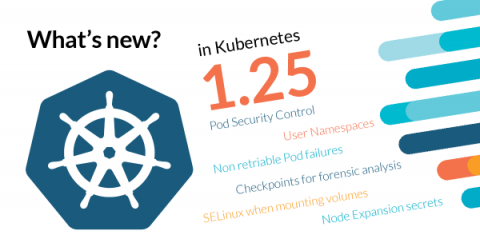
Kubernetes 1.25 - What's new?

Kubernetes 1.25 is about to be released, and it comes packed with novelties! Where do we begin? This release brings 40 enhancements, on par with the 46 in Kubernetes 1.24 and 45 in Kubernetes 1.23. Of those 46 enhancements, 13 are graduating to Stable, 10 are existing features that keep improving, 15 are completely new, and two are deprecated features.

Sustainable Technology: Can Clouds Save The Planet?

Sustainable technology has become a hot topic in the tech world over the past few years. From the escalating environmental impact of heat and water-intensive activities like crypto mining and chip production to carbon taxes to sustainability becoming a pillar in the AWS Well-Architected Framework, there’s plenty of issues to talk about, but conversations become marked quieter when you shift to discussing solutions.