Operations | Monitoring | ITSM | DevOps | Cloud

Dashboards that Replace your Release Manager

Back in my day, our offices used to have an “open concept” layout – just rows of desks. And at the end of every row was a 720i LCD TV showing 4 to 5 key metrics we’d watch after every release with great concern. While those wallboards sure were beautiful, we rarely had a clear view on how a release was trending. With our latest update to Dashboards, we’re joining form and function with Release Health widgets and a new release filter.


What is Hybrid Cloud Monitoring?

Cloud computing is becoming extremely popular. As a result, the trust in hybrid Cloud platforms is also increasing day by day. By combining the benefits of a Cloud platform with legacy systems, the hybrid cloud model offers something for every kind of business. But, without a strategy to manage operations on a hybrid Cloud model, it is challenging to extract maximum value from it. This blog will examine the best practices for hybrid Cloud management.

Debugging Node.js HTTP Requests

HTTP is the backbone of all API-centric, modern web apps. APIs are the place where the core business logic of an application lives. As a result, developers spend a lot of time optimizing the API business logic. This article addresses a Node.js developer’s dilemma while debugging an HTTP API request. We take a sample Node.js/Express.js-based HTTP service to demonstrate a new way of debugging Node.js applications using the Lightrun observability platform.

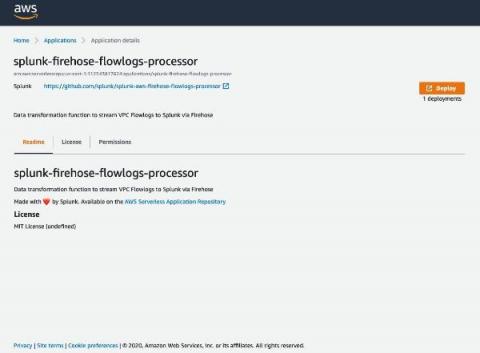
Streamline Your Amazon VPC Flow Logs Ingestion to Splunk

Amazon Web Services (AWS) recently announced the ability to publish VPC Flow Logs directly to Amazon Kinesis Data Firehose. For Splunk customers, this feature helps to optimize the architecture to send VPC Flow Logs directly to Splunk Enterprise or Splunk Cloud Platform. With a fully managed service like Amazon Kinesis Data Firehose, users don’t have to worry about scaling, and can optionally transform their data in near real-time and enjoy the cost-effective, reliable service.

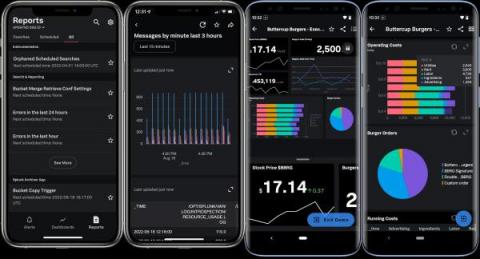
Reports, Sharing and More! What's New in Splunk Mobile This Summer

Hot summer days mean beautiful weather for picnics, pool days, and trips with the family. While you’re out this summer enjoying the sun, leave your laptop and backpack behind, because with Splunk Mobile, you’ll always be ready to access dashboards or receive alerts no matter where you are. The new features announced this year at.conf22 let you do even more from the comfort of your pool chaise!

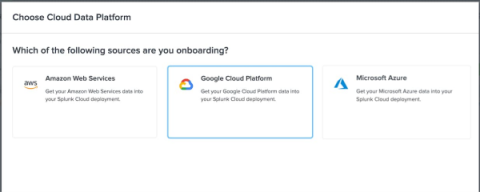
Splunk Data Manager Enables Google Cloud Platform Data Onboarding

I'm excited to announce that Splunk Data Manager now supports onboarding of Google Cloud Platform (GCP) data sources, effective immediately. With this launch, you can now get the benefits of Splunk data analysis for the high-value events generated by Google Cloud when you onboard GCP data sources into Splunk using Data Manager.

Simplify infrastructure and reduce costs with VPC Flow Logs ingest via Amazon Kinesis Data Firehose into Sumo Logic

Sumo Logic is proud to announce that, in collaboration with AWS, we now fully support Virtual Private Cloud (VPC) Flow Logs ingestion via Amazon Kinesis Data Firehose. Customers can now simplify log delivery to Sumo Logic which is natively integrated with Kinesis Data Firehose. You can also simplify your toolchains for aggregating, transforming and enriching VPC Flow Logs using Kinesis Data Firehose.

10 Essential Cloud DevOps Tools for AWS

Building, testing, and monitoring applications in the cloud is a unique challenge. While many organizations have embraced a DevOps methodology, their DevOps machine is still not at the level of maturity they might like it to be. According to a recent survey, 53% work on a team with a 'low level' of DevOps based on maturity factors.

What Does OpenTelemetry Mean for Companies Trying to Change?

Big data experts already agree that the amount of generated data is growing exponentially and forecast that it will reach 175 zettabytes by 2025. That projection is predicated upon current realities, which include a growing number of internet users and the billions of embedded systems and connected devices around the world. Even conceptualizing that amount of data is daunting — but then consider how best to manipulate and export it.