Operations | Monitoring | ITSM | DevOps | Cloud

InfluxDB Cloud Native Collectors, Enterprise and Industrial IoT Examples - Part 2

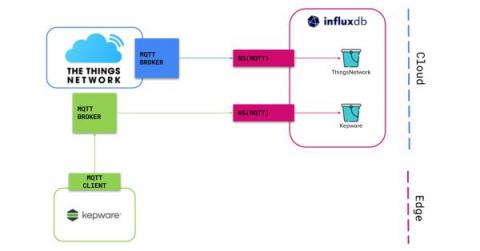
Learn how to deploy InfluxDB Cloud’s Native Collectors with Kepware and the Things Network. In Part 1 of the blog series, we discussed connecting Kepware to InfluxDB using the new InfluxDB Cloud feature Native Collectors! As promised, let’s now discuss how to connect an Enterprise IoT platform, The Things Network to InfluxDB. Before we get to the juicy tutorial let’s run through a quick reminder.

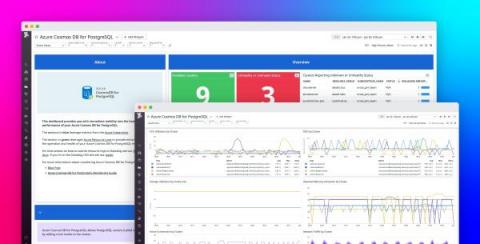
Monitor Azure Cosmos DB for PosgreSQL with Datadog

Azure Cosmos DB for PostgreSQL is a fully managed relational database service for PostgreSQL that is powered by the open source Citus extension. With remote query execution and support for JSON-B, geospatial data, rich indexing, and high-performance scale-out, Cosmos DB for PostgreSQL enables users to build applications on single- or multi-node clusters.

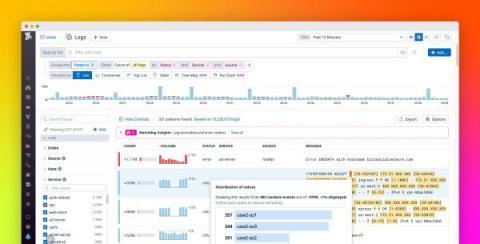
Discover the values behind log patterns with Pattern Inspector

Whether you’re rushing to troubleshoot an incident or proactively performing a security audit, the trial-and-error process of searching through millions of logs for key information can be time-consuming and cumbersome. To help you quickly surface important details from large swaths of log data, Datadog’s Log Explorer allows you to search and filter your logs, create visualizations, as well as group your logs by fields, patterns, or transactions.

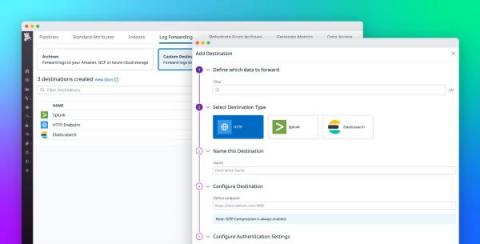
Route logs to third-party systems with Datadog Log Forwarding

Large organizations often rely on multiple monitoring tools, security platforms, and auditing systems to meet the diverse needs of their observability, security, engineering, and compliance teams. Because these teams may use the same logs for many different use cases—including detecting potential threats or breaches, troubleshooting errors, and gauging the effectiveness of new features—it can be difficult to effectively standardize and route data.

Overwhelmed with network infrastructure monitoring tools? Why go for many when you just need OpManager Plus?

Network infrastructure monitoring is a crucial part of modern IT business. You need a flawlessly functioning network to deliver services and products to the end users. As the size and complexity of a network grows, so do the stakes. Any issue in a large enough network will cause multiple repercussions, and network administrators fight an uphill battle trying to troubleshoot them. With the right sort of monitoring tool, you can ensure a better experience for both the users and the admins.

15 best iOS crash reporting tools for 2023

Picking the best iOS crash reporting tools available in 2023 is a tall order. The market has continued to get more competitive, and a best-in-breed tool needs to monitor crashes, generate crash reports, filter and group errors, plus perform other tasks on top. In this article, we’ve collected the 15 best iOS crash reporting tools to help you make the right decision for your particular requirements.

Eliminate Data Transfer Fees from Your AWS Log Costs

As businesses generate, capture, and seek to analyze more data than ever before, they often find themselves limited by high data storage costs, expensive data processing fees, and high management overhead. For organizations who wish to expand their log analytics programs and become more data-driven, maximizing cost efficiency has become a critical operational objective.

Authors' Cut-Gear up! Exploring the Broader Observability Ecosystem of Cloud-Native, DevOps, and SRE

You know that old adage about not seeing the forest for the trees? In our Authors’ Cut series, we’ve been looking at the trees that make up the observability forest—among them, CI/CD pipelines, Service Level Objectives, and the Core Analysis Loop. Today, I'd like to step back and take a look at how observability fits into the broader technical and cultural shifts in technology: cloud-native, DevOps, and SRE.