In today’s article, I will be highlighting eG Enterprise’s monitoring capabilities for Amazon’s AWS NICE DCV VDI protocol that was used first in Amazon’s AppStream 2.0 and now subsequently also in WSP 2.0 for the Amazon WorkSpaces service for digital workspaces.
In the last few years, the usage of databases that charge by request, query, or insert—rather than by provisioned compute infrastructure (e.g., CPU, RAM, etc.)—has grown significantly. They’re popular for a lot of the same reasons that serverless compute functions are, as the cost will scale with your usage. No one is using your site? No problem: you’re not charged.
Today’s Managed Security Service Providers (MSSPs) are trying to grow their business quickly, improving margins and onboarding customers with high-quality tool sets that scale with the business. This means reducing cost, improving onboarding time and building the next generation of Managed Detection and Response (MDR) to deal with threats that are increasing in volume and sophistication.
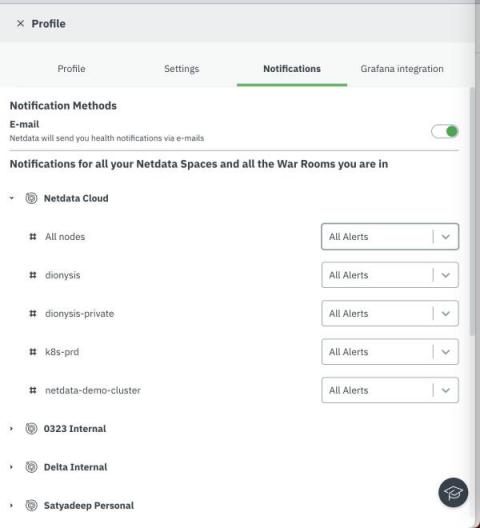
The health management APIs in Netdata allows teams to eliminate unnecessary alerting during scheduled maintenance, testing, auto scaling events, and instance reboots. For all SREs, it is absolutely crucial to filter out expected events during maintenance windows and quickly pinpoint critical issues in your infrastructure. Every minute is crucial while dealing with troubleshooting issues and any distractions that may hijack the troubleshooting process should be subdued.
Handling today’s network performance challenges is imperative. Especially when there’s no specific tool for proactive monitoring, results from a root cause analysis are often incomplete. Organizations that don’t review metrics related to performance and availability risk compromising their network.
Artificial intelligence for IT operations (AIOps) is an umbrella term for the use of big data analytics, machine learning (ML) and other artificial intelligence (AI) technologies to automate the identification and resolution of common IT issues. The systems, services and applications in a large enterprise produce immense volumes of log and performance data. AIOps uses this data to monitor assets and gain visibility into dependencies within and outside of IT systems.
Distributed tracing is the ability to follow a request through a software system from beginning to end. While that may sound trivial, a single request can easily spawn multiple child requests to different microservices with modern distributed architectures. These, in turn, trigger further sub-requests, resulting in a complex web of transactions to service a single originating request.
Today we are releasing Dynamic Sampling, available to all new customers, and opt-in for existing customers. This goes beyond a new feature however and is an overhaul to the way we package Sentry’s Performance Monitoring product. We are saying goodbye to the days of static, magic number sampling configured within the SDK and moving to a world of flexibility.