Today, enterprise IT teams are being asked to manage thousands of devices, hundreds of applications, dozens of networks, multiple clouds, and so much more. It’s critical for IT to have clear visibility over end user digital experience. Questions such as: are my fellow employees actively using the applications they have been provisioned, and if so, are they satisfied with the experience, are vital pieces of information for driving overall business efficiency.
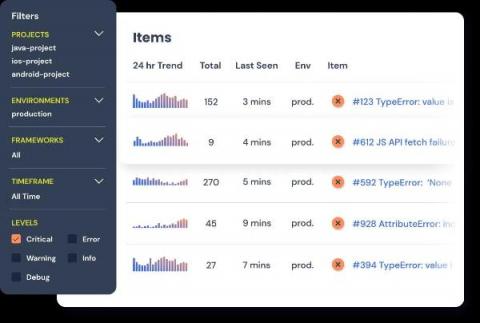
We are very lucky on the Rollbar Customer Engineering Team because we get to work with many many development teams. Each team develops, tests, and deploys their applications in their own way. They have chosen different languages and frameworks to solve their particular problem. We learn from each team that we work with, and share these learnings to our Product Design team.
Several tech giants like Amazon and Netflix have jumped from their monolithic applications to microservices. This has allowed them to expand their business interface tremendously and improve their services. Not only them, but most businesses today are dependent on microservices. Twitter currently has about a thousand such services working together, releasing meaningful outputs.
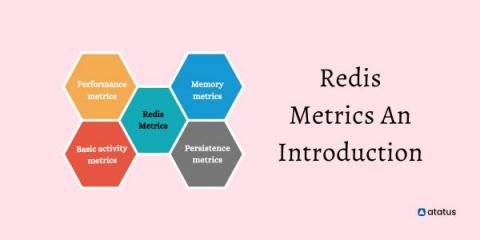
Redis is a widely used in-memory database in the industry. As a consequence of its in-memory database, it can concurrently serve data as a key-value-oriented NoSQL database. Due to the use of in-memory data storage in Redis, you can achieve performance that is challenging with conventional databases. It is crucial to monitor Redis' resource usage since it is an in-memory data store.
We are using data wrong. In today’s data-driven world, we have learned to store data. Our data storage capabilities have grown exponentially over the decades, and everyone can now store petabytes of data. Let’s all collectively pat ourselves on the back. We have won the war on storing data! Congratulations!
Using Checkly’s Playwright Test and GitHub sync integration helped Kizen optimize testing and monitoring workflows Kizen is a no-code, enterprise-grade Predictive Innovation Engine that enables sales, marketing, and operations teams to save time and drive higher revenues and profitability. Their product portfolio includes a flexible customer relationship manager (ƒCRM), operations cloud, automation engine, and a predictive data platform.
Network monitoring is a critical aspect of managing and maintaining the performance and security of a network. It includes monitoring and analyzing network traffic, devices, and systems to identify potential issues and ensure that the network operates efficiently and effectively. Network monitoring can help organizations identify and prevent security breaches, identify and troubleshoot performance issues, and ensure compliance with industry regulations and standards.
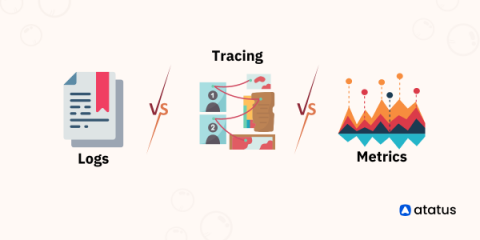
When thinking about holistic end-to-end observability, it can help to start with what you already have. Many government agencies are already strategically ingesting and storing logs — a key component of observability. More than a year and a half after the release of M-21-31, US government agencies continue to work through the logging maturity models outlined in the memorandum.