The latest News and Information on DevOps, CI/CD, Automation and related technologies.
At Circle, our traditional approach to Kubernetes (k8s) deployments likely looks familiar to many of you: Run the workflow, create the image, build the Helm chart and deliver it to k8s. At that point, k8s takes over with its rolling update. This method gets the job done, but we knew it wasn’t ideal. Limited support for canary releases and the need for time-consuming error monitoring and manual rollbacks added friction and risk to our release processes.
At the beginning of May, I joined incident.io as the first site reliability engineer (SRE), a very exciting but slightly daunting move. With only some high-level knowledge of what the company and its systems looked like prior to this point, it’s fair to say that I didn’t have much certainty in what exactly I’d be working on or how I’d deliver it.
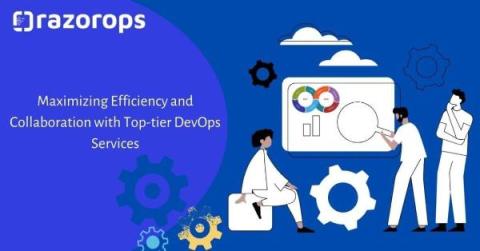
In today’s fast-paced digital landscape, where software development and deployment happen at lightning speed, DevOps has emerged as the key to achieving operational excellence and maintaining a competitive edge. DevOps is more than just a buzzword; it’s a culture, a set of practices, and a collection of powerful tools that streamline collaboration between development and operations teams.
The world of IT monitoring has evolved significantly in recent years, with businesses relying more than ever on robust and efficient tools to keep their systems running smoothly. In this fast-paced digital landscape, it's crucial to have a monitoring solution that can provide real-time insights into the health and performance of your infrastructure. In this blog post, we will explore the advantages of using MetricFire over Nagios as your go-to monitoring tool.
We’ve been busy building a few features that are going to be very useful for teams at larger companies using Cloud 66: Automatic User Provisioning and SAML SSO.