How to create/update Kubeconfig file for the AWS EKS Cluster
Leveraging multiple providers in Kubernetes clusters is an art few have mastered yet. Learn how to create/update Kubeconfig file for the AWS EKS Cluster with Control Plane.


The latest News and Information on DevOps, CI/CD, Automation and related technologies.
This blog post is adapted from my talk at SRECon EMEA 2023 - original slides are available here! Status pages are a simple yet underutilized element of incident communication. Done well, they’re a low-lift way to keep your customers and stakeholders informed when incidents impact them. But without a solid approach, updating status pages can easily become a tedious and often neglected task during incidents. In this post, we’ll cover some tips to get your status page right.
Life is full of unexpected incidents. From the coffee spill that disrupts your morning routine to the sudden traffic jam that transforms a 20-minute commute into an hour-long ordeal. Much like these challenges, most of our systems and infrastructure also constantly face these tiny glitches. If ignored, they can have a significant impact. Unlike minor inconveniences, these glitches we call Incidents have the potential to disrupt your business, frustrate customers, and eat into your revenue.
Generative artificial intelligence (AI) is a form of AI that can create new, original content such as text, code, images, video, and even music. Generative AI-powered tools like GitHub’s Copilot and OpenAI’s ChatGPT have the potential to revolutionize the way you develop software, enabling you to be more efficient and creative. Used in the right way, generative AI can streamline workflows, accelerate development cycles, and unlock the potential for innovation.
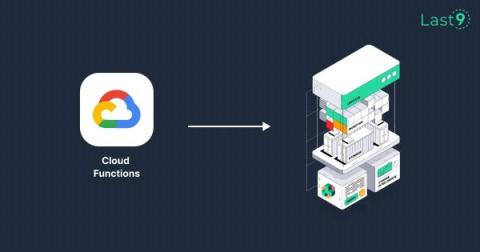
How to monitor serverless async jobs from Google Cloud Functions with Prometheus Pushgateway and Levitate using the push model.