Operations | Monitoring | ITSM | DevOps | Cloud

The latest News and Information on DevOps, CI/CD, Automation and related technologies.

Tips for designing distributed systems

With companies expecting software products to handle constantly increasing volumes of requests and network bandwidth use, apps must be primed for scale. If you need resilient, resource-conserving systems with rapid delivery, it is time to design a distributed system. To successfully architect a heterogeneous, secure, fault-tolerant, and efficient distributed system, you need conscientiousness and some level of experience.
Getting started with Memory attacks

Memory (or RAM, short for random-access memory) is a critical computing resource that stores temporary data on a system. Memory is a finite resource, and the amount of memory available determines the number and complexity of processes that can run on the system. Running out of RAM can cause significant problems such as system-wide lockups, terminated processes, and increased disk activity. Understanding how and when these issues can happen is vital to creating stable and resilient systems.

How to integrate security checks into your deployment workflow

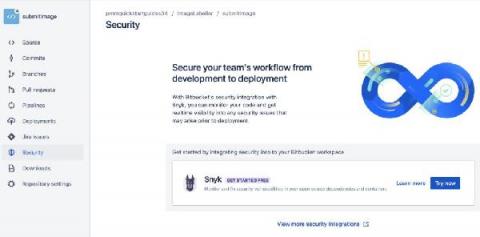
As software applications grow in scale and complexity, the surface areas for security vulnerabilities and exploits grow with it. Modern development practices include large amounts of code reuse. First, in the form of language-specific standard libraries such as the C++ STL, the Golang standard library, and Microsoft.NET. Second, in the form of open-source libraries found on places like Github. Much of this code is built using other libraries, introducing a web of dependencies into modern software.

The Legacy Of Infrastructure As Code: CloudZero Dimensions Transform Cloud Cost

Few practices exemplify the impact of DevOps more than Infrastructure as Code (IaC). Anyone who remembers hearing “I don’t know why it’s not working; it worked on my machine …” can vouch for this! IaC provides a standard way to create declarative descriptions of infrastructure to represent desired environment states — essentially allowing teams to manage IT infrastructure using configuration files.

10 Advantages of Deploying Dynamics 365 Business Central

Specifically intended for small and medium-sized companies seeking an all-in-one intelligent ERP solution that is simple to use, adaptable, and implemented in the cloud or on-premise, Dynamics 365 Business Central is a powerful and flexible solution. Deploying Dynamics 365 Business Central bring a lot of advantages for businesses that are ready for embracing digital.

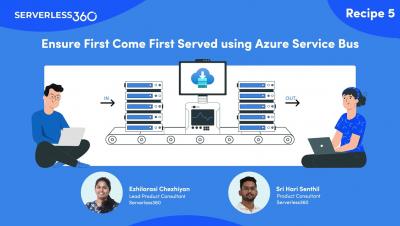
Ensure First Come First Served using Azure Service Bus

One of the patterns easily supported by the Azure Service Bus is the first-in-first-out (FIFO) pattern, which isn’t supported in the other queue service – Azure Storage Queues. To realise FIFO with the Azure Service Bus is to use sessions. Any service can create a session when sending a message to a queue or topic by setting the SessionId property. Subsequently, the session comes into existence when the queue or topic is session aware, which means you have specified ‘Enable session’ when creating the queue or topic.