Operations | Monitoring | ITSM | DevOps | Cloud

The latest News and Information on DevOps, CI/CD, Automation and related technologies.

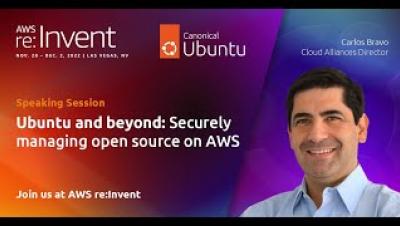
AWS re:Invent 2022 - Ubuntu and beyond: Securely managing open source on AWS

More and more companies are using open source. But how should it be secured? Similar or more urgent questions arise in the container world. Canonical is committed to securing open-source applications with not only Ubuntu but also a host of open-source applications for output (NGINX and Apache), runtime (Go, Node.js, and PHP), messaging (Kafka and RabbitMQ), data (MySQL, PostgreSQL, and Memcached) and observability and utilities (Prometheus and Grafana).

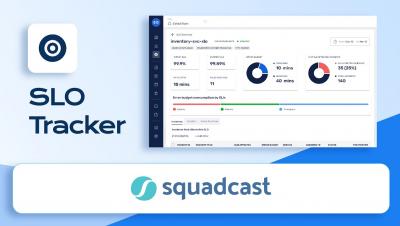
Using Squadcast's SLO Tracker | Error Budget | Setting up SLOs and configuring SLIs | Squadcast

With Squadcast, you can define and monitor Service Level Objects for your services. SLOs allow you to define and enforce an agreement between two parties regarding the delivery of a given service. A Service Level Objective (SLO) is a reliability target, measured by a Service Level Indicator (SLI), and sometimes serves as a safeguard for a Service Level Agreement (SLA). SLOs represent customer happiness and guide the development team’s velocity.

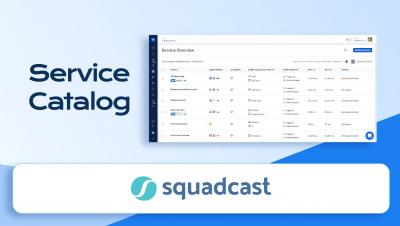
Introduction to Service Catalog | Service Ownership | Service Classification | Squadcast

To make service management a breeze, we bring to you our improved Service Catalog. The Service Catalog is designed to improve Service Classification and bring more transparency to Service Ownership within your org. This video explains how a consolidated summary of all active services from a single dashboard can help you better track your service health.

How To Monitor NGINX using Telegraf and Graphite

When enterprises run online services, web servers play an essential role. They allow the software to surface on the world wide web and make it accessible through web browsers for customers worldwide. When the performance of a web server gets degraded or, even worst, if a web server is entirely down, it impacts not only the business bottom line but also the brand image for not providing reliable service to customers. Failure to manage web servers can also lead to security risks.

What is No-Code/Low-Code IT Automation?

Most automation approaches start in the same place; coding. For years, IT professionals have relied on scripts or series of scripts to perform tasks and then link them to provide an ‘automation. No-code or low-code reduces complexity and resource overhead, allowing both non-technical and technical users to automate processes through graphical user interfaces (GUI). In most cases, this involves drag-and-drop boxes that imitate a user’s interactions in a process.