Operations | Monitoring | ITSM | DevOps | Cloud

The latest News and Information on Cloud monitoring, security and related technologies.

Troubleshooting Common Kafka Conundrums

This is the third blog in our series on Kafka, where we continue to explore the nuances of deploying Kafka for scale. In our previous blogs, Essential Metrics for Kafka Performance Monitoring and Auto-Instrumenting OpenTelemetry for Kafka, we laid the foundation for understanding Kafka’s performance and monitoring aspects. Now, as we explore further into the Kafka ecosystem, we’re here to tackle the common challenges that can arise during deployment and scaling.

How to securely send your telemetry to Grafana Cloud using AWS PrivateLink

Using Grafana Cloud to manage and monitor even your most sensitive data from your AWS services just got easier. If your organization’s workloads are hosted in AWS and you are using a Grafana Cloud instance that’s also hosted in AWS, you can now use AWS PrivateLink to establish a secure connection between your virtual private cloud (VPC) network and Grafana Cloud for all your data.

Securing open source software dependencies in the public cloud

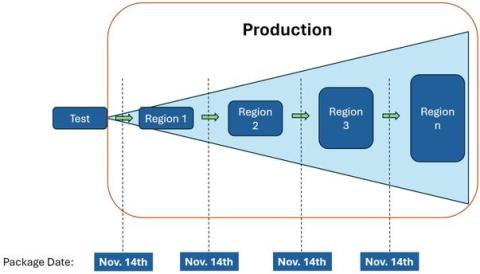
I recently recorded a Lightboard presentation on securing open source software dependencies in the public cloud. This blog summarises, and expands upon, some of the key elements from that presentation: I think about this topic through two lenses: software supply chains and updating software dependencies while maintaining stability.

AWS PrivateLink for Grafana Cloud

Navigating secure connectivity and managing data transfer costs are vital to optimizing your cloud-based services. AWS PrivateLink offers a solution to improve security and reduce costs, especially when integrating with Grafana Cloud. In this tutorial, we delve into the problems solved by PrivateLink, its working mechanism, and a step-by-step guide on configuring it to connect to Grafana services. What You'll Learn.

Modernize as you Migrate Series: Break Out of Analysis Paralysis with a 6 R Portfolio Assessment

Unlock the secrets to streamlining cloud migration and breaking free from Analysis Paralysis with Tidal Accelerator from @tidal4774. Discover how Tidal Accelerator empowers organizations to make informed decisions, optimize costs, and accelerate their cloud migration journey.

CloudFront cost: how to understand and reduce them - and save the planet while you're at it

Amazon CloudFront is a Content Network Delivery service (CDN). CDNs are primarily used to reduce latency. They do this by serving certain types of content (images, videos and static files) from servers that are geographically closest to any particular user. I.e. users in France will receive content from the server in Paris; users in Malaysia will receive content from the server in Kuala Lumpur.

Dirty Cloud - navigating the hidden costs of cloud computing

In today’s hyper-connected digital landscape, businesses rely heavily on cloud computing to streamline operations, enhance scalability, and drive innovation. However, the seemingly limitless potential of the cloud comes at a steep price – one that goes far beyond financial considerations. Welcome to the world of data centres, the not-so-hidden environmental offenders of the corporate world.

CloudZero Launches Automated Savings Insights, Helping Engineers Prioritize Cost Efficiency

Getting to cloud efficiency is both an art and a science. The art has long been CloudZero’s specialty: giving engineers complete visibility into the costs associated with their cloud infrastructure, putting it all in a business context, and helping them make proactive decisions about how to build and scale efficiently. In other words, the art is on the human side. Giving human engineers the visibility and context to understand and control cloud costs.

What is a SharePoint Site Collection?

SharePoint, born from the tech giant Microsoft, is not just another application; it’s a robust platform that’s been transforming the way businesses handle their internal processes for years. At its core, SharePoint is designed to streamline collaboration and document management. But what does that mean in layman’s terms? Imagine a vast digital library, where instead of books, you have documents, images, videos, and other digital content.