Mailchimp
Not subscribed to OpsMatters Newsletter


Apache Tomcat is a server for Java-based web applications, developed by the Apache Software Foundation. The Tomcat project’s source was originally created by Sun Microsystems and donated to the foundation in 1999. Tomcat is one of the more popular server implementations for Java web applications and runs in a Java Virtual Machine (JVM).
In Part 1 of this series, we discussed some key Tomcat and JVM metrics that are exposed through Java Management Extensions (JMX). Now that you are familiar with metrics necessary for monitoring Tomcat, we can look at how to collect and query that data.
In Part 2 of this series, we showed you how to collect key Tomcat performance metrics and logs with open source tools. These tools are useful for quickly viewing health and performance data from Tomcat, but don’t provide much context for how those metrics and logs relate to other applications or systems within your infrastructure.
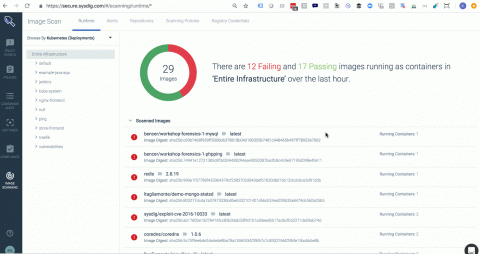
Over the past four years we’ve helped hundreds of organizations run reliable, secure, and compliant Kubernetes and Openshift clusters. Some of the key themes we’ve seen from organizations that have successfully grown their Kubernetes footprint are: they have immaculate labeling, understand how to leverage internal Kubernetes features to harden their platform, and understand what developers need access to and manage it with RBAC and namespaces.
Icinga Director v1.6.0 has been released with Multi-Instance Support, Configuration Baskets and improved Health Checks. We’re excited to announce new features that will help you to work more efficiently.
In recent years we have frequently found the term anomaly detection in monitoring. In fact, some monitoring tools have introduced in their features the customized application of anomaly detection algorithms and some companies offer anomaly detection from data collected by monitoring tools.
2018 was an interesting year for Node.js frameworks and open source software in general. Developer communities discussed the role of corporate sponsorship and how to maintain a project used by millions but not supported financially.
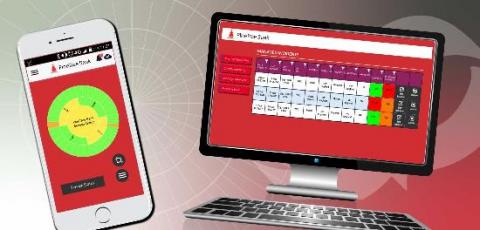
ITIL incident management aims to manage the lifecycle of all incidents. And the simple goal is rapid response and resolution, hence IT uptime, as modern IT is the backbone of a rapidly growing number of processes. Enterprise Alert is the perfect tool to accelerate and mobilize critical parts of the incident management process. It has a significant impact on the effectiveness and efficiency of handling time-sensitive and major incidents.
As the year draws to a close, for many of us this is a time to slow down, kick back and look forward to holiday time. For others, the work certainly isn’t done yet. The “S” word comes down to bear. Like it or not, this time of year – it’s all about the Shopping.