Mailchimp
Not subscribed to OpsMatters Newsletter


Usually, when you hear us going on about labels here at Tigera, we are mentioning them as targets for selectors for network policies. As a review, you might have a policy that says, “things labeled customerDB=server should allow traffic on 6443 from things labeled customerDB=client” In this example, the labels identify a resource being produced or consumed.
A few weeks ago, BubbleUp came out of Beta. We’ve been getting fantastic user feedback on how BubbleUp helps users speed through the Core Analysis Loop and lets people find things they never could have found before. We’ve also been learning more about how BubbleUp works with Tracing, which unearthed some difficult issues. Today, we’re taking those head on.
A couple of months ago we released the all-new Anodot.com. Following the release, I explored our Google Analytics account to see what had happened post-launch. I have always been ambivalent about Google Analytics. On the one hand, the service has helped shape web analytics as we know it today and is used by nearly every website. Not to mention it’s free and rather easy to consume. On the other hand, GA is never a slam dunk.
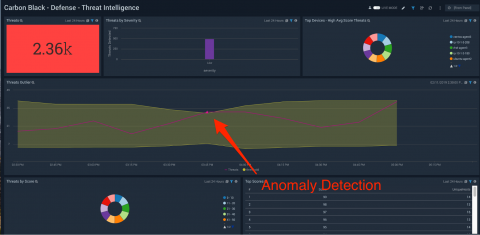
As the threat landscape continues to expand, having end-to-end visibility across your modern application stack and cloud infrastructures is crucial. Customers cannot afford to have blind spots in their environment and that includes data being ingested from third-party tools.
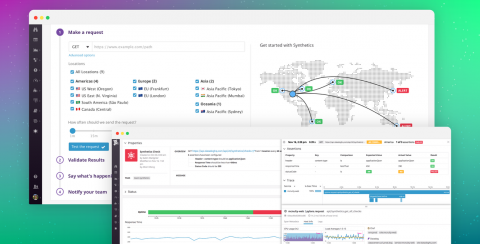
Datadog is pleased to announce the availability of Synthetics, a whole new layer of visibility on the Datadog platform. By monitoring your applications and API endpoints via simulated user requests, Synthetics helps you ensure uptime, identify regional issues, track application performance, and manage your SLAs and SLOs. By unifying Synthetics with your metrics, traces, and logs, Datadog allows you to observe how all your systems are performing as experienced by your users.
Since its release in 1995, PHP has been one of the most popular server-side languages for building web applications. It supports a wide range of web servers, databases, and operating systems. PHP developers use popular frameworks like Laravel, Symfony, and Zend to deploy and manage sites that serve high volumes of traffic. To help you monitor PHP performance, identify bottlenecks, and optimize your users’ experience, we’re pleased to announce APM & distributed tracing for PHP.
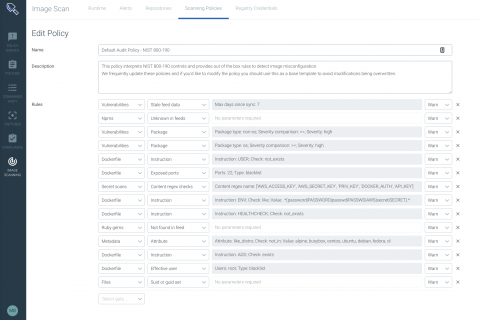
Today we are very excited to announce our latest release — Sysdig Secure 2.3! In this version of Sysdig Secure, we have invested heavily in hardening the compliance posture of Kubernetes, Docker configurations, and container images. We have released a set of features that provide compliance focused image scanning, guided remediation, compliance dashboards, and more.
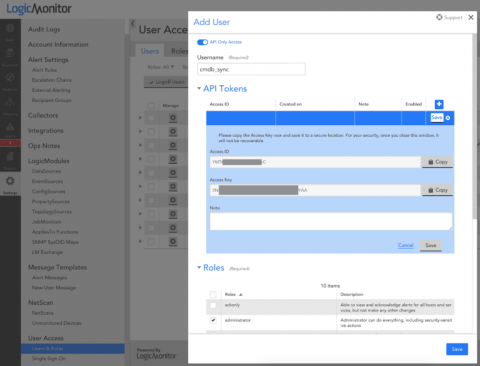
A Configuration Management Database (CMDB) contains all relevant information about the hardware and software components used across an organization’s IT environment. Even more important, a CMDB defines the relationships and interdependencies between those assets. This makes it easy to understand, manage and report on the service being delivered.