Mailchimp
Not subscribed to OpsMatters Newsletter


Monitoring and compliance are, in many ways, synonymous. At the very least, there’s a big overlap in terms of defining and monitoring rulesets you care about. The time frame may vary; with monitoring, you might jump on an alert right away, as opposed to the compliance team’s quarterly audit, but the foundation remains the same. As our development cycles grow ever more dynamic, the need for automating repetitive tasks becomes all the more important.
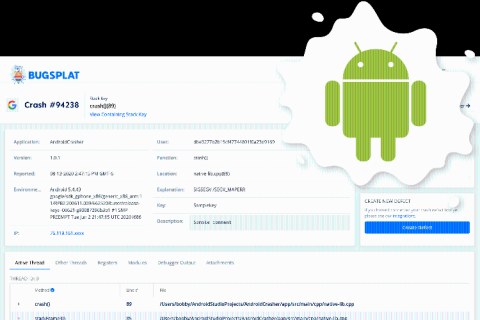
BugSplat users can now collect Android crashes with the Crashpad SDK. If you're supporting a cross-platform C++ application, porting a C++ application to Android, or creating a new NDK library from scratch, you can now use BugSplat to track, collect, and debug your Android crashes. This will bring the same in-depth view of crash events you get with BugSplat on other languages to your Android application.
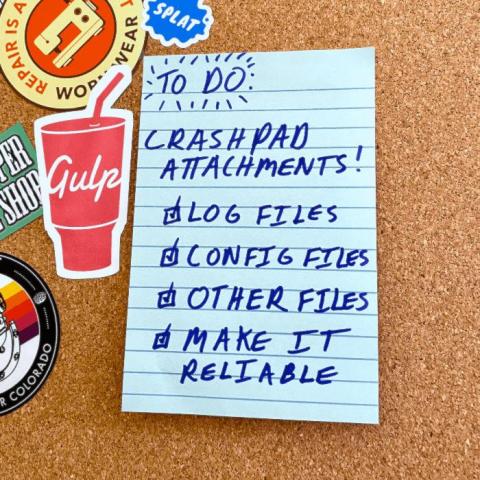
BugSplat now supports attachments for Crashpad out of the box. Developers can include additional files with the Crashpad crash upload using the newest release of the BugSplat Crashpad SDK. This release includes updated examples that show how to include Crashpad attachments for Windows, Linux, Android, Qt Windows, and Qt Linux (but not yet for macOS). Before this change, including attachments with Crashpad out of the box was difficult.
As a leading global provider of cloud computing services with a business critical software portfolio, Microsoft is a key Splunk partner. In our mission to empower customers with data, we are delighted to share a few of the latest integrations, dashboards, and reference guides that help you extract even more value from your Microsoft environments. Here’s a peek at what we’ve been working on lately.
The lines Between IT and OT are blurring. With IT and Operational Technology (OT) systems converging, ensuring the security of devices, applications, physical locations and networks has never been more difficult or more important. There is a growing recognition by security professionals that they have a readiness and visibility problem in plain sight.
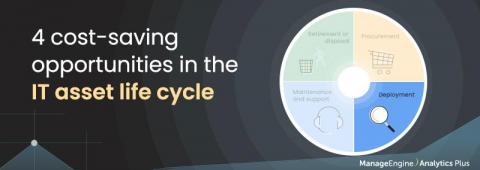
Welcome back to our four-part series on cutting IT costs in the asset life cycle. In our last blog, we discussed challenges with spending during the asset procurement stage and learned about valuable reports that can help. In this part, we’ll talk about asset deployment and look at more reports that can help cut costs during this stage of the asset life cycle.
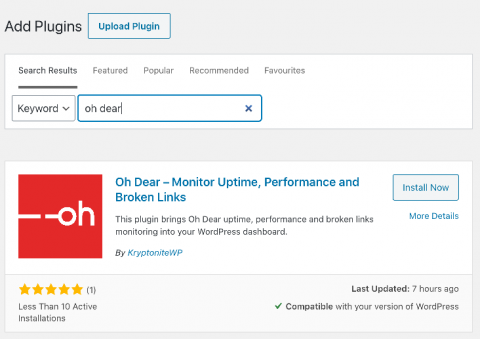
There is now a WordPress plugin that gives you deeper insights into broken links found, the performance of your site and the uptime statistics!
Today, we hope to make testing Absinthe a bit easier for you. We believe that it’s a great library for writing GraphQL applications, but if you previously haven’t done much work on an Absinthe application, you might find some things a bit tricky to test.