Mailchimp
Not subscribed to OpsMatters Newsletter


Migrating workloads to the cloud can be tricky. In fact, a study Virtana conducted earlier this year found that 72% of respondents had to move applications back on-premises after migrating them to the public cloud because they ran into a variety of problems. Clearly, organizations need to address these showstoppers.
As a Nexthink V6 Customer, you’re already realizing the power and value of a proactive, Digital Employee Experience (DEX) management solution: more productive employees, reduction in employee issues, and a smoother, more accelerated time-to-resolution for employee-reported IT issues.
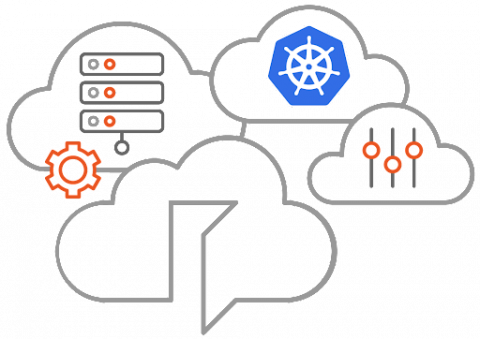
How can you run a fully managed Kubernetes in a private cloud at half the cost of Amazon EKS (Elastic Kubernetes Service)?
I’m thrilled to announce that Gartner has named ServiceNow a Leader in its 2021 Magic Quadrant for the CRM Customer Engagement Center for the second year in a row.1 We believe this is external validation of our strategy and vision to improve the end-to-end customer experience through our Customer Service Management solution. Our mission in Customer Workflows is to transform the customer service and support market for the better.
Migrating your organization’s applications to the cloud is no small task. Before planning and execution can even be fathomed, many of our customers’ first challenge is to create a data-driven business case for management buy-in.
A fundamental element of the Kubernetes microservices system is the services model, which gives teams greater understanding of how their applications are deployed. These objects running within pods and containers, by extension, are RESTful since they’re based on APIs. However, DevOps teams can’t hope to run a tight ship without managing their services. Communication and visibility are absolutely crucial in a Kubernetes system.