Mailchimp
Not subscribed to OpsMatters Newsletter


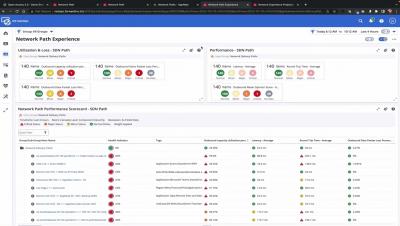
Cloud monitoring tools are utilized to gather an extensive range of metrics and logs from cloud resources and services. Some commonly monitored metrics include CPU utilization, memory usage, network traffic, disk I/O, latency, and response time. By monitoring these metrics, among others, it becomes possible to gain insights into resource utilization, identify performance bottlenecks, and ensure that the infrastructure operates according to expectations.
The eCommerce businesses have expanded in leaps and bounds during the COVID-19 and post-COVID situations and continue to show the same trend. People across the globe continue to shop online for their needs of clothing and apparel, home needs of groceries, home appliances, home décor, health and fitness products, sports needs, automotive accessories, jewelry, and much more. Today’s modern-day customers prefer to purchase online many of their needs with a single click through their mobiles.
For a game to provide the best user experience, certain elements come into play. These factors can be hardware components in the user’s computer, like the CPU and GPU, operating system settings, or specific game settings. In fact, if there’s misalignment between these components and a game’s intensity, performance issues can crop up. The most common performance issues in gaming include frame rate drops, input lag, stuttering, rendering issues and network latency.
As part of my work as a Head Nerd, I have the pleasure of meeting with MSPs from all over the world. About a month ago, I was speaking with four technicians from a global MSP based out of California. They were very technically savvy, had a deep understanding of PowerShell, and had a huge emphasis on automation in their business.