Mailchimp
Not subscribed to OpsMatters Newsletter


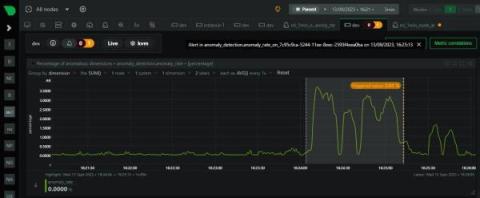
Over the last few years we have slowly and methodically been building out the ML based capabilities of the Netdata agent, dogfooding and iterating as we go. To date, these features have mostly been somewhat reactive and tools to aid once you are already troubleshooting. Now we feel we are ready to take a first gentle step into some more proactive use cases, starting with a simple node level anomaly rate alert. note You can read a bit more about our ML journey in our ML related blog posts.
Receiving the TRUE certification is a significant milestone for ScienceLogic, but it's just one step in our ongoing journey.
In today's cloud-native landscapes, observability is more than a buzzword; it's a critical element for software development teams looking to master the complexities of modern environments like Kubernetes. There’s a multi-faceted nature to observability with all its various levels and dimensions — from basic metrics to comprehensive business insights. It’s complex and can continue indefinitely…if you let it.
Tools and partners can make or break the cloud migration process. Read how Box used Kentik to make their Google Cloud migration successful.
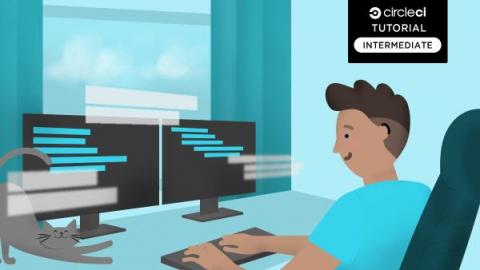
Effective user experience (UX) design is a key factor in creating compelling software products. UX considers the quality of interaction that users have with a product and takes the user’s point of view as the most sacred thing in software and product design. A great UX includes accessibility, which ensures that software is inclusive and usable by the widest possible audience.
Using an RTOS is often a tradeoff between the ease of decomposing tasks, with the complexity of the scheduler itself. There exists a middle ground between highly complex systems that may require an RTOS, and simpler ones that can be easily modeled using a super loop.Since ARM is the most popular embedded CPU and almost every ARM processor has a hardware scheduler, it would be interesting to make a compact framework utilizing these features.