Operations | Monitoring | ITSM | DevOps | Cloud

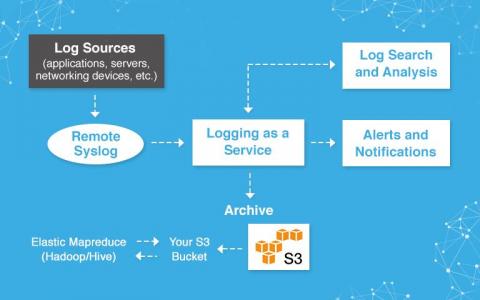
Logging as a Service: Benefits of Centralizing Log Data

Today every organization has invested in the cloud for higher agility, scalability, computing performance, and more. With self-service portals offering easier provisioning, cloud-based services and platforms have reduced operational overheads on IT teams significantly. Further, with cloud, organizations can choose pay-as-you-go plans without making any heavy upfront investments, get full visibility into their spending, and achieve a lower Total Cost of Ownership (TCO).

8 Video Call Tips for Working Remotely

We've all been there. It's early in the morning and you're jumping on a call. But you forgot it was a video call, and you also forgot to cover your webcam before joining. So now everyone knows you as the person who wears cheetah pajamas and has a serious case of bed head. Not ideal. Luckily practice makes perfect, and with the upcoming weeks of remote working, we gathered a few video call tips from body language expert, Vanessa Van Edwards.

Ensure a secure and reliable Zoom video conferencing service

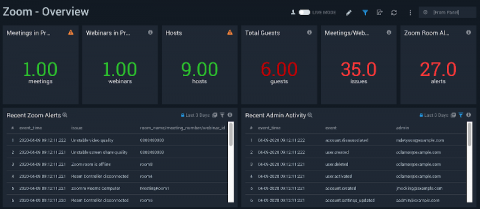
We are excited to announce a new solution for our customers to monitor the performance, availability, and security of their Zoom video conferencing service. The Sumo Logic for Zoom app is available today in our app catalog. This new app will be added to our ‘Work From Home’ solution which is available for free, with no obligation.

What Is Behavior-Driven Development?

We’ve written about the importance of testing before. If you’re in development, you’re no doubt familiar with agile methodology. But sometimes a test-driven approach seems at odds with going fast. And how do you best communicate the importance of testing to everyone on your team? If you’ve felt frustrated with test-driven development or don’t have buy-in from your team, behavior-driven development is there to help.

What Is "Real Browser" Testing? (And Why Is It Different?)

There are two ways to test software. The first and most obvious is to simply allow users to test functionality by using the software as it was intended. This is the method likeliest to produce the most useful and practical results. The other method is by automating testing. This requires a second piece of software designed to provide input and analyze output from the original application.

Getting Started with JavaScript and InfluxDB 2.0

With 200+ plugins, Telegraf has a wide variety of methods for scraping, writing, and querying data to and from InfluxDB. However, sometimes users need to perform data collection outside of the capabilities of Telegraf. Perhaps they need to collect custom data and monitor application performance. Maybe they want to take advantage of external tools and libraries to create beautiful web-based visualizations for their users.

What 700+ IT Operations Pros Learned about Improving the Remote Work Digital Experience

Missed our webinar on remote work digital experience? Watch the recording here. It’s no secret that many IT departments are scrambling to support hundreds, and in some cases, thousands of new remote workers. Last week over 700 IT Operations leaders and professionals registered for our Remote Work digital experience webinar because right now these people are facing unprecedented pressure to keep their companies productive and their employees free of technology disruptions.

Visualizing COVID-19 with Elastic

There are various publicly available data-sources that we may leverage to visualize the COVID-19 pandemic. We will use the materials created by SiScale (https://www.siscale.com/) as they have composed a rather elegant means of ingesting COVID-19 data. This document is designed to be an instructional guide on how to implement this solution locally or with the Elastic Cloud. We will first configure the necessary components, ingest the data source, then show how to create the additional Machine Learning jobs as well as creating a Canvas dashboard.