Operations | Monitoring | ITSM | DevOps | Cloud

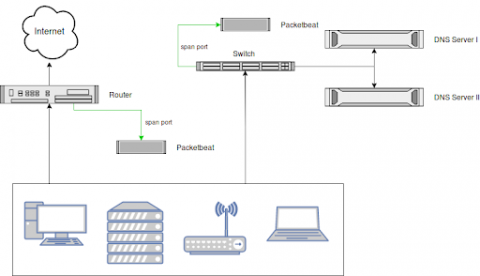
Security Log Monitoring and DNS Request Analysis

Monitoring all DNS requests in your network, including those that were blocked by (e.g., by a firewall) is a great way to increase visibility, enforce compliance and detect threats. A common problem with collecting DNS logs is that DNS server logs are notoriously hard to parse. Also, parsing only the logs of your DNS servers leaves a blind spot when it comes to usage of, or the attempt to use, an external DNS server like Google's 8.8.8.8.


What is Subkeying?

Subkeying is a way to group a set of crashes at some level other than the top level of the call stack. Subkeying is a way to group a set of crashes at some level other than the top level of the call stack. At BugSplat, crashes are grouped by a stack key and groups of crashes can be found on the Summary page. By Default, BugSplat groups crashes using the topmost level of a call stack. A subkey is created when crashes are grouped at a level other than the top level of a call stack.

Getting Microsoft Azure Data into Splunk

If you're reading this, you're probably wondering how to get data from various Microsoft Azure services into Splunk. With the growing list of Azure services and various data access methods, it can be a little cloudy (pun intended) on what data is available and how to get all that data into Splunk. In this blog post, I'm going go over how Microsoft makes Azure data available, how to access the data, and out-of-the-box Splunk Add-Ons that can consume this data. So let's dive right in.

Splunk Attack Range Now With Caldera and Kali Linux

The Splunk Security Research Team has been working on new improvements and additions to the Splunk Attack Range, a tool that allows security researchers and analysts to quickly deploy environments locally and in the cloud in order to replicate attacks based on attack simulation engines. This deployment attempts to replicate environments at scale, including Windows, workstation/server, domain controller, Kali Linux, Splunk server and Splunk Phantom server.

Introducing the Datadog Operator for Kubernetes and OpenShift

As more environments run on Kubernetes—including our own— Datadog has been making it easier to get visibility into clusters of any scale. To minimize load on the Kubernetes API server, the Datadog Agent runs in two different modes. The node-based Agent queries local containers or external endpoints for data, while the Cluster Agent fetches cluster-level metadata from the API server.

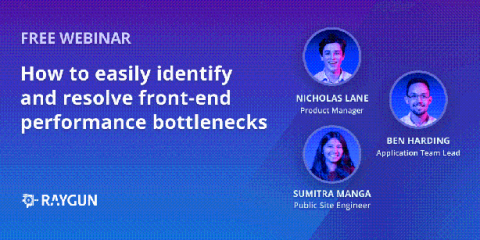
How to identify and resolve front-end performance bottlenecks

We all want lightning-fast websites and applications, but how do we prioritize our efforts in order to have the biggest impact on performance? We interviewed our own front-end team so we could share some best practices we use every day to improve and maintain the performance of Raygun.

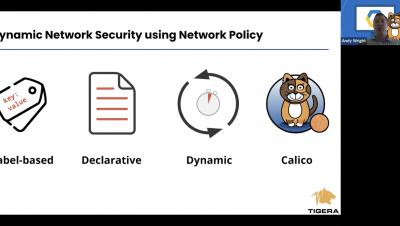
How to Implement Network Policy in Google GKE to Secure Your Cluster

By default, pods are non-isolated; they accept traffic from any source. The Google GKE solution to this security concern is Network Security Policy that lets developers control network access to their services. Google GKE comes configured with Network Security Policy using Project Calico which can be used to secure your clusters. This class will describe a few use cases for network security policy and a live demo implementing each use case.

Kibana 7 and Beyond Logz io Enhancements for Success

Kibana 7 introduced some new changes to the popular visualization platform, and this webinar will address how those updates are reflected in Logz.io. The recent enhancements included a cross-app dark theme, a new time picker, new filtering, a better dashboarding experience, and a significant boost in performance. But have the changes impacted your Logz.io user experience? We will dig in and detail how you can avoid common pitfalls and challenges. Expect to learn about.

DevOps Automation Best Practices for Automotive Software Delivery

In this webinar you will learn:

  • How DevOps helps solve the challenges around Automotive and Embedded software delivery
  • What a modern CI/CD pipeline and toolset look like in the Automotive industry
  • DevSecOps best practices: How to ensure security and compliance as an integral part of your pipeline
  • Patterns for reducing the footprint/latency of last-mile deployments to speed-up releases and minimize service interruption
  • Hard-won tips and tricks around increasing developer producti