Operations | Monitoring | ITSM | DevOps | Cloud

Delivering Successful Mission Outcomes in This New Normal

Is it week 6 or 8 of telework now? I can't keep up, and it's probably not worth counting anymore. By now, all agencies have a majority of their employees working remotely and adjusting to the new normal; and we, at Splunk, are as well. In a way — like our CIO, Steve McMahon, puts it — we did have an early start.


Status Page Webhooks: New and Improved!

Since 2015, StatusGator has offered a unique solution for monitoring the status of hundreds of cloud services. By aggregating each service’s status page into a unified API, StatusGator provides the status of all your dependencies in a single place. Our status page webhooks solution was previously quite basic and limited in its capabilities. But we recently launched StatusGator webhooks v2 and invite you to try it now.

Remote work: Governing and guiding end users

With remote work being the new normal thanks to the ongoing pandemic, enterprises are facing the dilemma of how to update and secure all their network endpoints while managing devices efficiently. Many businesses have adapted their operations to a remote work model. As a result, the increase in individuals working from home has put pressure on IT staff, the infrastructure, and security operations absorbing the extra burden.

Web-Skimming attack affects 20,000 Customers on Home Improvement Site

The COVID-19 virus epidemic has seen a 23% rise in visitors to UK independent ecommerce sites. On a global scale, many companies have transitioned to fully ecommerce-based business practice and are seeing an increase in online shoppers. This paradigm shift in business continuity means websites are increasingly vulnerable to being attacked.

JavaScript Error Tracking with AppSignal v1.3.0 is Here

We’re happy to announce that the latest npm package for error tracking of your front-end with AppSignal has just been released. For those of you who aren’t really familiar with our error tracking service, we suggest you to take a deeper look into our docs. This was one of the bigger releases, and it includes many improvements and bug fixes. Here’s what we’ve done.

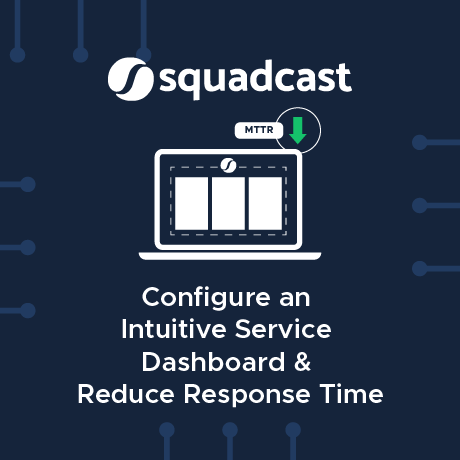
Configure an Intuitive Service Dashboard & Reduce Response Time

Leverage Multiple Alert Sources in Squadcast to reflect your actual system infrastructure on your Service Dashboard Having your Incident Management Tool reflect your system architecture is a big milestone in reducing cognitive load on your on-call team. In order to help our users move one step closer to this milestone, we recently released the functionality to add multiple alert sources to a service. You can now model your service dashboard to mimic your actual system architecture.