Operations | Monitoring | ITSM | DevOps | Cloud

GrafanaCONline week three: Plugins, Chrome browsing data, Prometheus rate queries, and more

The third and last week of GrafanaCONline starts today! We hope you’re able to check out all of our great online sessions. If you’ve missed any sessions (or want to watch them again), the videos are available on demand here. Here’s what’s coming up today...

Monitoring AWS Application-Related Services

Amazon Web Services (AWS) has a suite of tools that help application development teams enhance and streamline their work experience, from the backend to frontend services. LogicMonitor consolidates data from these services and empowers users to monitor them side by side with the rest of their infrastructure, whether it’s in the Cloud or on-premises. Keep reading for tips on monitoring some of these services to ensure business continuity.

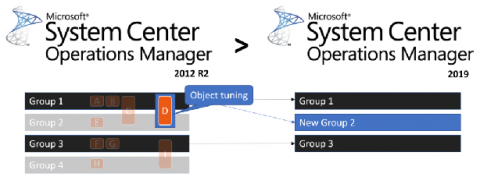
Migrating Management Packs When Upgrading SCOM

Management Packs contain the actual monitoring (the workflows themselves) as well as extend the SCOM platforms functionality and are critical to getting your new SCOM Management Group up and running. The good news is most of SCOM Management Packs that worked with SCOM 2012 R2 work right through to SCOM 2019, so you are safe to import them into your new Management Group.

Alert Tuning for Your Upgraded SCOM Environment

If you know which MPs your overrides are stored in, then migrating your current effective tuning is as easy as exporting all of your override MPs, and then importing them into your new SCOM Management Group, assuming you have already imported the MPs containing the monitoring itself. As you also know, in most SCOM deployments, this is never reality across the board.

Dynamic presentations with Canvas

Canvas is data visualization and presentation tool that sits within Kibana. It allows us to pull live data directly from Elasticsearch and combine it with colours, images and text in order to create dynamic and visually appealing presentations. This talk will cover the basics of building your first presentation based on the live data from Elasticsearch. If you enjoy immersing yourself in the creative process while applying your technical skills, you should join us for this talk.

Elastic Observability Engineer Training Preview: Structuring data

Hello! This session will be delivered virtually by Tamara Rosini and Lutf Ur Rehman, Education Engineers at Elastic. They will guide us through the new Elastic Observability Engineer course while providing tips on how to structure data properly as an observability best practice. Properly parsing and structuring your data is an important first step in building an efficient and effective observability solution using the Elastic Stack. Effectively indexing and structuring data into Elasticsearch is critical for establishing efficient search criteria and effective results.