It’s no secret that Kubernetes is the leader when it comes to container orchestration platforms. Since its 2014 release, the open source project has taken the world by storm and become one of the biggest success stories in the open source community.
Picking the right tools to handle the deployment will depend on your environment. Since there are so many ways to deploy to Azure services, we won't be able to get into the weeds, but I will cover enough so that you can hopefully find the right deployment solution for you.
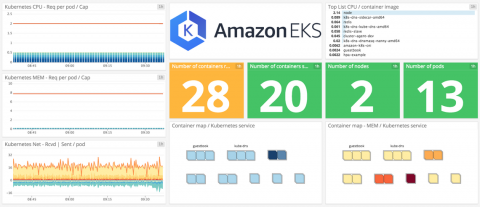
Amazon Elastic Container Service for Kubernetes (EKS), the latest addition to the AWS platform, is a cloud-based Kubernetes service that provides features for automated cluster management and maintenance. Whether you are migrating an existing Kubernetes cluster or deploying a new application to Amazon EKS, Datadog can help you monitor your container infrastructure and applications in real time.
Once you have your Elasticsearch running, you’ll likely eventually find that performance starts to suffer over time. This can be due to a variety of factors, including changes in the way you’re using your cluster to how much and what types of data are being sent in. In order to maintain your cluster, you’ll need to set up monitors to alert you to any warning signs so that you can proactively handle available maintenance windows.
Uptime Status Pages can now be shared publicly. You will find that they are a useful tool for information sharing under a variety of circumstances. Internal pages offer excellent insight for your team, but public status pages provide users and other parties helpful information about your services and websites.
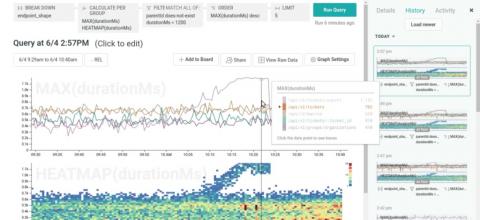
We’re excited to introduce Honeycomb Tracing! Now, you can both: Visualize individual traces to deeply understand request execution, and Break down, filter, and aggregate trace data to uncover patterns, find outliers, and understand historical trends.