Operations | Monitoring | ITSM | DevOps | Cloud

Choose the correct installation path for SCOM: In-place upgrade or side-by-side installation

The day has finally come and it's time to upgrade your Operations Manager deployment. You ask yourself, should I upgrade my existing installation or should I start from scratch and build a new environment, side-by-side? This is a common question asked by organizations that we work with. To answer this question, we usually begin by asking some simple questions: To aid your decision-making process, we have listed some of the pros and cons.

How to call deprecated connector actions on Logic Apps

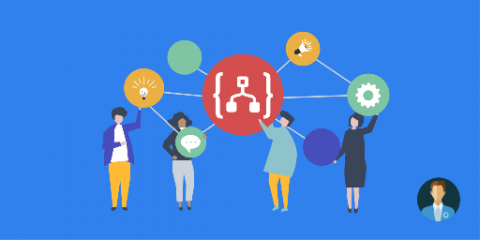
You may know my series of blog posts about BizTalk Server Tips and Tricks that I normally write in the BizTalk360 blog. Well, the goal of this Logic Apps Tips and Tricks series will be the same; to provide simple tips or tricks that may improve your performance on developing Logic Apps workflows, avoiding issues, apply best practices and so on. But you may think, “What a strange way to start this topic, deprecated actions? Why should I use deprecated actions?”.

AIOps Early Warning System: Root Cause Analysis

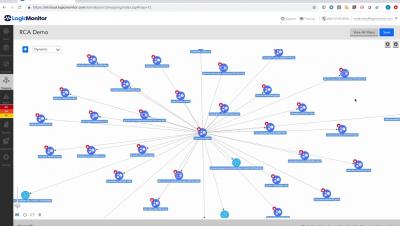
With root cause analysis, LogicMonitor uses automatically discovered relationships between monitored resources to identify the root cause for triggered alerts and notify users of the originating issue, while preventing notifications for dependent resources in alert. When a core or root device goes down affecting connectivity for downstream devices, Root Cause Analysis (RCA) will identify the originating and dependent resources and subsequent alerts and disable notifications for dependent resources.

Oracle Cloud Infrastructure monitoring with Applications Manager

Oracle launched its Generation 2 Cloud Infrastructure in 2018. This second-generation cloud platform is designed to help companies run their most challenging workloads securely. Its ability to run Oracle Autonomous Database makes it the first self-driving platform in the industry. It uses the latest artificial intelligence and machine learning technologies to provide a high performing environment that doesn’t compromise on security.

Submitting great PRs

If you want to submit good pull requests, start with our contribution checklist. Today, that page talks about what to fork, how to style your code, how to write unit tests and where to push your code. Implicit in all of that is the need to write great code, of course! But this blog post isn’t about writing great code, it’s about making your pull request a great experience for you and your reviewers.