Operations | Monitoring | ITSM | DevOps | Cloud

sFlow vs NetFlow: What's the Difference?

In any given network, switches, routers, and firewalls may support different flow protocols. After all, there’s NetFlow, sFlow, IPFIX, and J-Flow, to name a few. With so many options, you may be wondering “Which flow protocol should I use?” It’s a common question, and it has a relatively simple answer: While some devices support multiple protocols, a device typically only supports one type of flow protocol, so you should use the protocol your device and collector supports.

New Integration: Create Zoom incident bridges automatically

Incident response doesn’t only happen in Slack, so today we’re happy to announce our integration with Zoom to create incident bridges automatically. Using the power of FireHydrant Runbooks, a Zoom meeting can be added with fully customizable titles and agendas based on your incident details. Let’s dive into how it works.

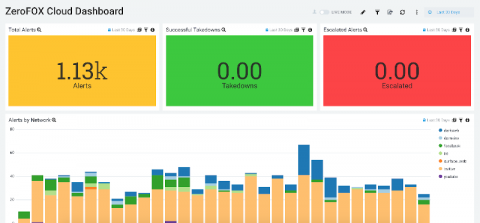
Sumo Logic and ZeroFOX Join Forces to Improve Visibility and Protect your Public Attack Surface

Today’s organizations have the challenge of managing several different applications and software within their technology stack. The more public-facing platforms an organization utilizes, the greater their public attack surface risks. Without proper protection, they and their community can become an easy target for malicious actors.

Introducing LogDNA Web Server Template

With the ever-growing volume of application logs and analysis tools available, it can be time-consuming to set up your observability tools to keep up with best practices. Every new piece of infrastructure deployed also causes another piece of dashboard and monitoring that needs to be put in place to ensure stability and reliability.

Mitigate risk with rolling deployments

Deploying a new feature to production is a momentous occasion. It's important to ensure that everything goes properly at this stage, as deployments tend to be error-prone when not handled correctly. To examine why this is and how you can avoid it, let's take a look at the different types of deployments available and where some of them fall short.

How Playtech Fixed Metrics Over-Collection with Observability

According to Forbes, 2.5 quintillion bytes of data are created every day. Data volumes have grown exponentially in recent years due to the growth of the Internet of Things (IoT) and sensors. The majority of data collected has been collected in the last two years alone. For example, the U.S. generates over 2.5 million gigabytes of Internet data every minute, and over half of the world’s online traffic comes from mobile devices.

Extend Your Splunk App with Custom REST Endpoints

As you build more complicated Splunk apps, you might wonder, “What is the best way to make the features in my app more usable?” If you’re adding new SPL commands or creating ways to input new data sources, the answer is straightforward. But imagine you’re trying to address one of the following scenarios: For cases like these, consider extending the Splunk REST API with custom endpoints.

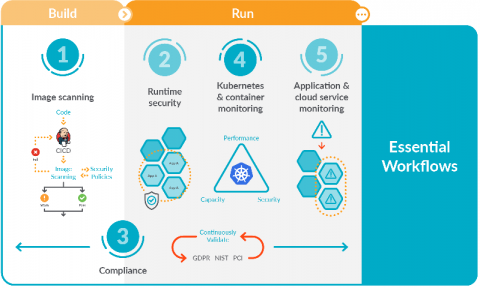
5 Essential workflows for secure DevOps

Focusing on these five essential workflows for secure DevOps will help you get started implementing monitoring, security, and compliance for containers and Kubernetes. You might be starting to adopt DevOps and find that it dramatically simplifies deploying applications in containers and Kubernetes. However, you probably also found that it adds a new set of complexities for managing, securing, and troubleshooting applications.