Operations | Monitoring | ITSM | DevOps | Cloud

What Is Zero Trust Architecture: The Top IT Security Model Explained

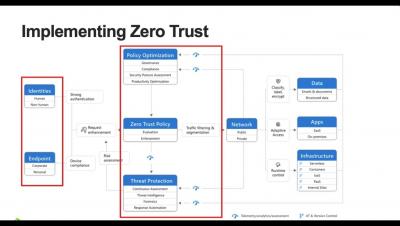
There are plenty of IT horror stories out there that show just how catastrophic cyberattacks can be for businesses. In addition, the amount of cyberattacks that occur is increasing year by year. Internet users worldwide saw approximately 52 million data breaches during the second quarter of 2022, as shown by Statista’s 2022 cybercrime review. To fight these cyberattacks and protect their businesses, organizations have adopted the zero trust model.

PagerDuty Announces New Automation Enhancements That Simplify Operations Across Distributed and Zero Trust Environments

Be sure to register for the launch webinar on Thursday, March 30th to learn more about the latest release from the PagerDuty Operations Cloud. Rundeck by PagerDuty has long helped organizations bridge operational silos and automate away IT tasks so teams can focus more time on building and less time putting out fires. And while this mission still rings true today, our vision is to extend this reality and revolutionize all operations while continuing to build trust.

Trust no one: Why businesses should adopt zero trust deployment

Businesses want to earn the trust of their customers. This explains why every brand dreams of ranking on the surveys that ask consumers for their most trusted brands. People, after all, trust their friends, family, and loved ones. If a brand can enjoy the same type of relationship with their customers, they will keep them for the long haul. Unfortunately, trust is easily broken. One of the quickest ways to do so as a digital business is to fall victim to a security breach.

Zero Trust Network Access

With a global workforce rapidly shifting to remote work, organizations have had to adopt new solutions that can ensure secure access to their corporate resources. One such solution is Zero Trust Remote Access (ZTRA) – an increasingly popular security strategy designed to safeguard employee activity and protect confidential data from malicious actors. In this blog post, we’ll provide a deep dive into what ZTRA is, how it works, and the key types of protocols used in its implementation.

Elevate Kubernetes Security with Zero Trust

The theme of this year’s Rocky Mountain Cyberspace Symposium was " Post-Pandemic Zero Trust." In General Dynamics Information Technology’s 2022 report, “ Agency Guide to Zero Trust Maturity,” 63% of respondents from federal civilian and defense agencies said they believed their agencies would achieve specific zero trust security goals by the end of fiscal 2024.

Trust Me - I'm a SASE Solution

As we get ready to wish the term SASE a happy 4th birthday, it seems odd that there is still a great deal of confusion in the market about what SASE really is and how it relates to a ‘Zero Trust’ architecture. For many, SASE is a framework for secure network design; for others, it’s seen more as an architectural approach to delivering Zero Trust. So why do we have this confusion when Gartner defined SASE back in 2019?

Ivanti Announces Lookout CASB/SWG Partnership for Ivanti Neurons for Zero Trust Access

Ivanti is proud to have partnered with Lookout, Inc to provide zero trust secure access across highly distributed application ecosystems while protecting their users, their data and their devices from accidental and malicious data exfiltration and threats. Today we are proud to announce the general availability of Lookout CASB and Lookout SWG as an add-on to Ivanti Neurons for Zero Trust Access (ZTA).

3 ways to implement Zero Trust in a legacy environment

Trust is a very fickle partner to rely on in the IT sector primarily due to the incessant barrage of security threats from both external and internal actors. This is why government, enterprise, and other types of organizations hold cybersecurity as a top priority as hackers discover ever more ingenious ways to stay under the radar.