Operations | Monitoring | ITSM | DevOps | Cloud

Building a Zero-Trust Model With SolarWinds Security Tools - SolarWinds Lab Episode #92

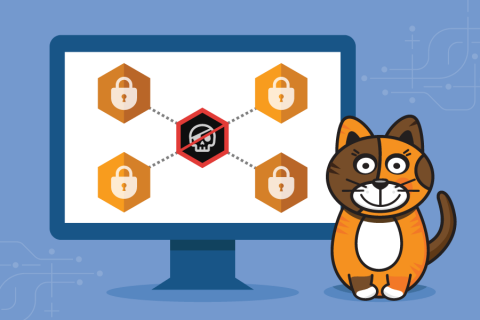
The zero-trust model is critical for building a successful strategy to detect both internal and external cybersecurity threats. This approach requires setting and maintaining strict access controls and "no trust" as the default to all, including those already inside your network. There are several steps needed to properly evaluate your organization's current state before you can start implementing best practices.

The New Model for Network Security: Zero Trust

The old security model, which followed the “trust but verify” method, is broken. That model granted excessive implicit trust that attackers abused, putting the organization at risk from malicious internal actors and allowing unauthorized outsiders wide-reaching access once inside. The new model, Zero Trust networking, presents an approach where the default posture is to deny access.

3 Foundational Elements of Zero Trust You Can't Do Without

While the concept of zero-trust security has many IT organizations thinking in terms of identity, access, and cloud services, zero trust must run on a solid foundation. We should start by talking about the goals of zero-trust security. Zero trust involves creating an environment where each access request is first scrutinized to determine whether it should be allowed.

Why Zero Trust in IAM is the new way forward

The increasing adoption of cloud applications and an expanding remote workforce are redefining network security. In a traditional setting, the emphasis was on perimeter-based security—assuming that everything behind the corporate firewall is safe. However, it’s clear that organizations have to rethink the philosophy of implicit trust in a corporate network.