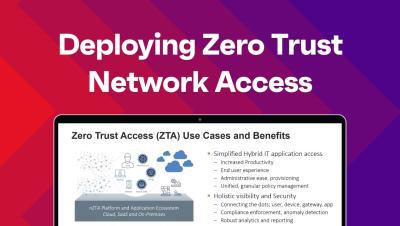
When the concept of Zero Trust emerged in 2010, it marked a sea change in how IT and network security are handled. The term, invented by Forrester Research analyst John Kindervag, is loosely based on the “never trust, always verify” motto. So why is this a sea change? Before 2010, IT focused on perimeter defenses and the concept of DMZs — areas of the network they deemed safe based on the protection they implemented.
Zero trust in the cloud is no longer a luxury in the modern digital age but an absolute necessity. Learn how Kentik secures cloud workloads with actionable views of inbound, outbound, and denied traffic.
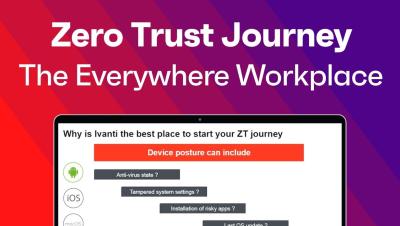
Organizations are responding to the changing cybersecurity landscape. And zero trust is at the heart of this change, with 68% of respondents saying they’re planning or actively working towards adopting a zero trust access model. In collaboration with Cybersecurity Insiders, Ivanti surveyed 421 US-based IT and cybersecurity professionals to identify the latest enterprise adoption trends, challenges, gaps and solution preferences related to zero trust security.