Flutter is a popular open source framework that allows you to build, test, and deploy high-performance, multi-platform applications with a single codebase. Developed by Google, Flutter is backed by a robust developer community and is compatible with the latest native functionalities, including iOS Metal.
The latest release of Ivanti Neurons for MDM includes enhancements for managing COSU devices and transitioning to cloud-based device management.
Flutter is one of the fastest-growing open source cross-platform development frameworks. The likes of BMW, Google Pay, Tencent, and iRobot all use Flutter to quickly build and maintain mobile applications. In fact, Flutter was used by 42% of software developers in 2021, surpassing React Native as the most popular cross-platform mobile framework.
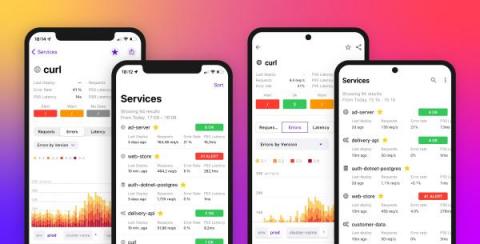
In a crowded and competitive market, mobile app developers must offer continuous availability and a frictionless user experience to minimize churn. Monitoring and maintaining mobile apps presents unique challenges. Since mobile apps run on a wide range of devices, it can be difficult to get clear visibility into client-side performance.
Monitoring performance is a critical part of software development. We just released version 3.0.0 of our Sentry Android Gradle plugin, which brings a handful of auto-instrumentation capabilities to Android developers, featuring Room and SQLite queries performance, File I/O operations performance, and more.
Your applications most likely consist of multiple components. These components could be written in different languages, with each individually instrumented with Sentry’s SDK. The goal of our tracing solution is to make sure developers get a full picture of the data captured within their tech stack. Tracing allows you to follow a request from the frontend all the way to your backend application and back.