Operations | Monitoring | ITSM | DevOps | Cloud

The Place Where Modern Operations & Technology Come Together

What Can AI Do? | Put AI To Work with ServiceNow
Seems like everyone’s talking about AI right now. But where do you even start? The ServiceNow platform brings intelligence into every corner of your business. So every person, every system, every process — everything — works better. LEARN MORE: servicenow.com/genai.
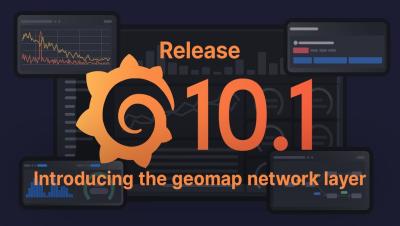
Grafana 10.1: Introducing the geomap network layer
Learn how to use the network layer type for node graphs with geometric data. This feature is new in Grafana 10.1 and enables the ability to visualize your network on a map, which can provide additional context when monitoring the state of nodes and the connections between them.
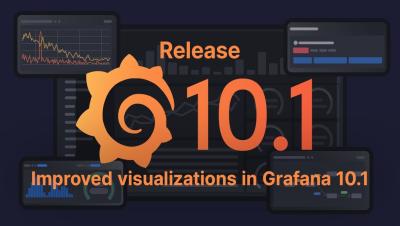
Improved time series, trend, and state timeline visualizations in Grafana 10.1
When you’re visualizing data in time series, trend, and state timeline panels, one challenge you might have faced is when arbitrary gaps in your data end up automatically connected in your visualization. This can distort the true picture of your data, leading to potential misinterpretations. In Grafana 10.1, you can now set a specific threshold on the x-axis in your Grafana dashboards to disconnect any data points above this threshold.
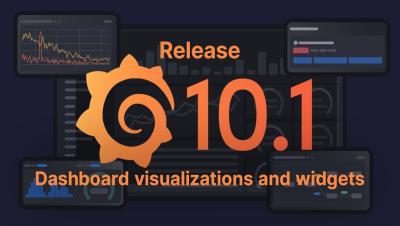
Grafana 10.1: How to build dashboards with visualizations and widgets
Learn how to distinguish widgets from visualizations for building better dashboards with Grafana 10.1. This update will improve your dashboard creation process because if you want to integrate elements like text, news, or an annotation list, you no longer need to select a data source first. Plus, to optimize your editing experience, the plugins list and library panels are now context-aware, adjusting in real time based on whether you’re working with a widget or a visualization.
"What made me invest in DEX"- an interview with an IT leader
Everywhere Work has heightened the need for improving the digital employee experience (DEX). Yet, 56% of IT professionals say that they don't have a high level of buy-in from their C-suites for a DEX initiative. This raises the question, how can IT teams secure buy in for their DEX initiatives and become a true strategic business partner? Tony Miller, Vice President of Enterprise Services at Ivanti, sat down to discuss recent research findings and what led him to become an internal ambassador for DEX.
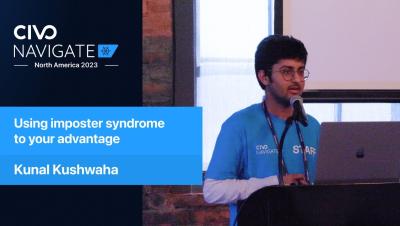
Using Imposter Syndrome to your Advantage - Civo Navigate NA 2023
@KunalKushwaha addresses the topic of Imposter Syndrome and its implications within the tech community. From identifying its presence among seasoned professionals to beginners, Kunal provides insights on how to turn this seemingly negative feeling into a powerful tool for growth and learning. Join the conversation and learn strategies to harness your potential.
Bill Kennedy: The mistake boot, building ACs, Black boxes & AI in software - The Reliability Podcast
The Reliability podcast aims to speak with engineers who have worked on large, complex systems and glean through their learnings. What best practices should one imbibe? What are non-negotiable learnings to become better at a craft? What’s ‘engineering’ going to be like with the advent of AI? We answer these and more tracing personal journeys of engineers who have built stellar careers around decoding the innumerable intricacies of software engineering.
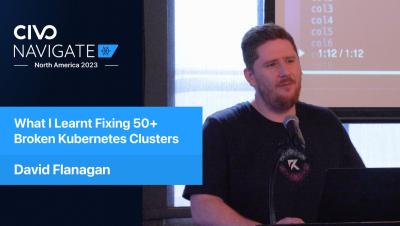
What I Learnt Fixing 50+ Broken Kubernetes Clusters - Civo Navigate NA 23
Join David Flanagan as he dives deep into the world of Kubernetes, sharing insights from his experiences fixing 100 broken clusters, and emphasizing the importance of learning from failures. Discover various tools, tips, and techniques to optimize your Kubernetes operations.
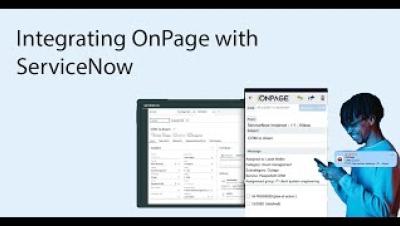
Extend Incident Alert Management to ServiceNow ITSM (Two-way integration)
Discover how OnPage's incident alert management solution can be seamlessly extended to ServiceNow's ITSM solution to provide a more efficient and streamlined service delivery experience. The two-way integration ensures that high-priority alerts are given top priority and reach the right team member in a timely manner. And, that's not all -- IT teams gain synchronization across audit trails, alert statuses, and notes, eliminating the need for app hopping and providing all the necessary information in one location.