Operations | Monitoring | ITSM | DevOps | Cloud

Analytics Plus webinar: How to drive successful IT infrastructure capacity planning and optimization

With the widespread implementation of cloud infrastructure and the subsequent proliferation of resources across various hybrid platforms, IT teams often struggle to draw effective capacity plans and optimize infrastructure costs. A tailored strategic plan that manages and rightsizes IT infrastructure is the need of the hour. This way, organizations can enjoy increased visibility and scalability across varied deployments, as well as establish sustained cost savings.
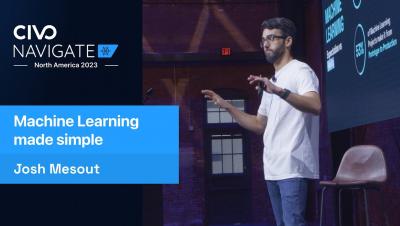

Machine Learning Made Simple - Civo Navigate NA 2022

Josh Mesout explores the complexities and challenges of adopting machine learning and artificial intelligence (AI). He discusses the struggle to embrace and understand these technologies, leading to a high failure rate. Mesout highlights the significant time spent on infrastructure engineering and the need for expertise across various disciplines. He addresses the difficulty in justifying ROI and the risks associated with machine learning. Civo introduces KubeFlow as a service to simplify machine learning, including lower pricing points, GPU Edge box, and partnerships.

The Unplanned Show, Episode 3: LLMs and Incident Response

A software engineer, a data scientist, and a product manager walk into a generative AI project… Using technology that didn’t exist a year ago, they identify a customer pain point they might be able to solve, build on teammates’ experience with building AI features, and test how to feed inputs and constrain outputs into something useful. Hear the full conversation here.

The Challenge of Digital Nomads and Work-from-Home Environments

Watch the full clip here. Ivanti’s research into remote work trends found that while 43% of office workers are allowed to work flexibly, 71% say they want to. Why is that 28-point preference gap still with us even after several years of widespread – and widely successful – remote and hybrid work? What barriers are keeping leaders from chipping away at that preference gap, and why should they?

Phishing 2.0: How to Stop Cyberattacks Even Pros Can't Catch

According to Ivanti's 2023 Press Reset cybersecurity report, over 50% of surveyed security professionals said their organizations hadn’t experienced a phishing attack – despite virtually every organization getting phished last year! Today’s phishing campaigns use sophisticated social engineering techniques and the latest AI advances with devastating effectiveness, tricking your most valuable users out of sensitive information, network access and personal credentials.

incident.io Catalog hands on lab

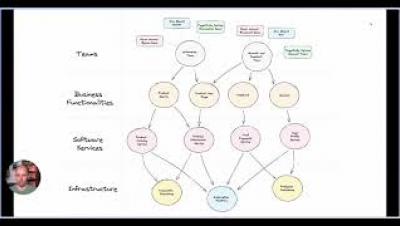
The incident.io Catalog is a connected, navigable, map of "things" that exist in your organization. We can use it to describe an organization as a connected graph, and use that graph to drive powerful workflow automations during incidents. In this hands-on training session, we'll work through an example of building a catalog for a mock organization. We'll then use the catalog to solve some real business problems, including automated incident data attribution, and some realistic workflows which outline how it works and what it enables in the context of incident management.

Best Digital Employee Experience Platforms for a Productive Workplace - Infraon

In the post-COVID era, businesses are facing the challenge of providing a consistent and productive digital workplace experience for employees working from various devices and locations. To address this, investing in a Digital Employee Experience (DEX) platform is crucial. Discover the top DEX platforms of 2023 that can revolutionize your workplace and enhance employee engagement, productivity, and satisfaction.

Employee Performance Management and Remote Work

Watch the full clip here. Ivanti’s research into remote work trends found that while 43% of office workers are allowed to work flexibly, 71% say they want to. Why is that 28-point preference gap still with us even after several years of widespread – and widely successful – remote and hybrid work? What barriers are keeping leaders from chipping away at that preference gap, and why should they?