Scheduled task monitoring now available to all our users
After an intense testing period, we're excited to announce our scheduled task monitoring is now available to all our users!
Modern applications offer more and more features, and the infrastructure needed to run them becomes increasingly complex. The need for Application Performance Monitoring (APM) and Network Performance Monitoring (NPM) tools like PagerDuty is obvious, as the cost of downtime can be exorbitant for a business of any scope. Thus, every business needs to use Pager Duty or one of its alternatives that alerts the Ops team should anything go awry.
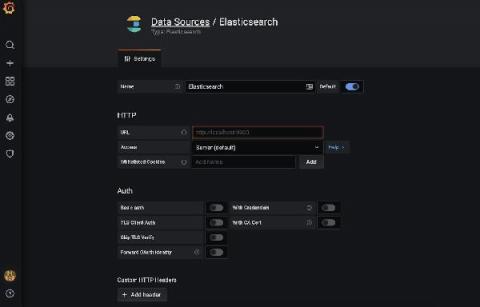
My name is Jonathan Stines, and I am a Penetration Tester for Rapid7, a cybersecurity company located in Austin, Texas. A small handful of my former colleagues at Rapid7 now work at Grafana Labs and have said it was a pretty cool spot to have landed. I had a vague understanding of what Grafana was, but what really struck my interest was when I saw their sweet dashboards in the HBO series Silicon Valley.
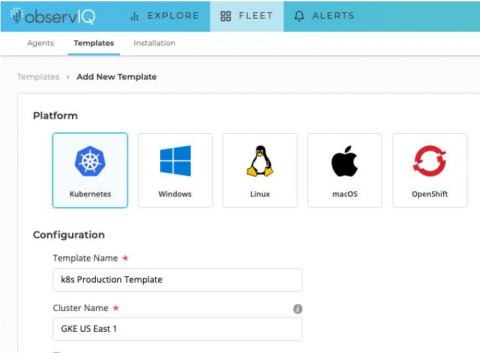
Cloud Monitoring has always provided comprehensive visibility and management into individual Compute Engine virtual machines (VMs). But many Google Cloud customers have hundreds, thousands, or tens of thousands of VMs that they need to manage. Cloud Monitoring now gives you zero-config, out-of-the-box visibility into your entire Compute Engine VM fleet, with quick access to advanced Monitoring features such as installing the Cloud Monitoring agent and configuring fleetwide alerts.
Many customers we have are hybrid – meaning they have both Azure and on-prem estate, and subsequently both SquaredUp for Azure and SquaredUp for SCOM deployments. In other cases, some customers are using multiple different deployments of a product, for example for multiple SCOM management groups or multiple Azure tenants.
HashiCorp Packer is a free and open source tool for creating golden images for multiple platforms from a single source configuration. Packer makes it easy to codify VM images for Microsoft Azure. In this blog post we’ll look at how to use HashiCorp Packer and Puppet Bolt to define our VM templates in code.
Typically, there are two technical executive leadership roles in most organizations: the Chief Information Officer (CIO) and the Chief Technical Officer (CTO). But there can be confusion between these two positions, a lot of questions when comparing the CIO vs CTO, and often they might actually fuse into a single position depending on the business strategy. Their positions might not be so clear to the people who work for them.
LogicMonitor is pleased to announce enhancements to our Slack integration. The new integration is now bidirectional, allowing users to acknowledge and SDT alerts from their Slack workspace. LogicMonitor accounts come pre-configured to integrate with Slack. The integration enables LogicMonitor to create Slack Channel Notifications based on LogicMonitor alerts.
In this video, we are going to take a look at what memory bloat is, what causes it, and how you can use Scout to eliminate it from your applications. Memory related performance issues have the potential to bring your entire application down, and yet, most APMs completely ignore this fact and fail to provide any useful way of monitoring memory usage at all.