Grafana 6.7.4 and 7.0.2 released with important security fix
Today we are releasing Grafana 6.7.4 and 7.0.2. These patch releases include an important security fix for an issue that affects all Grafana versions from 3.0.1 to 7.0.1.


Today we are releasing Grafana 6.7.4 and 7.0.2. These patch releases include an important security fix for an issue that affects all Grafana versions from 3.0.1 to 7.0.1.
Current cloud investments have been a boost for flexibility and productivity. The challenge is that there is a single point of failure with these platforms, requiring diversity of providers to reduce dependencies. The future of cloud computing will see effects from the ambitions and expansion of cloud providers themselves, as well as potential competition. This is especially true with Amazon, Google, and to a lesser extent Microsoft.
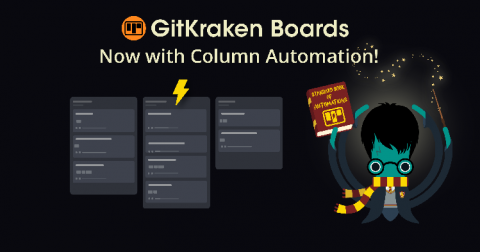
Project management and issue tracking are foundational to a successful development team. Furthermore, task tracking tools that enable automation help maximize productivity, organization, and collaboration. We called in some help from Hogwarts on this release to introduce some truly magical features to GitKraken Boards. We bring you: Column Automation.
REST has reigned for a long time in the world of web services. It’s easy to implement, allows standardization through RESTful patterns and has lots of libraries that support and facilitate its development. Then came GraphQL, the famous query language for APIs.
We’ve all been there. A new tool is trending, it is getting mentioned all over the place, and you get dropped into a conversation about it. The last thing you want to do is embarrass yourself by pronouncing something wrong and revealing you don’t know anything about the latest thing. We want to make sure you avoid that happening. When it comes to Kubernetes, there are really only four terms that you might need some help with pronouncing.
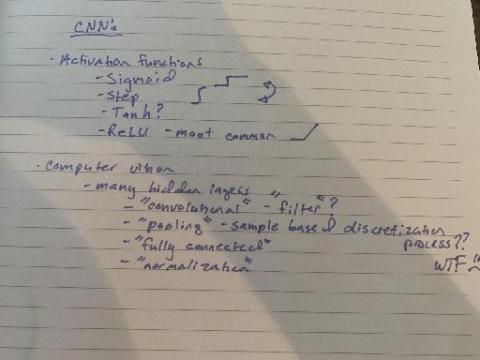
If you are a software engineer, there's a good chance that deep learning will inevitably become part of your job in the future. Even if you're not building the models that directly use CNNs, you might have to collaborate with data scientists or help business partners better understand what is going on under the hood. In this article, Julie Kent dives into the world of convolutional neural networks and explains it all in a not-so-scary way.
It’s 3 AM and you are roused out of sleep by the dull buzzing of your phone in the other room. Some sort of emergency, you conclude as you fumble with the lockscreen. There it is: an alert that the API governing user registration is acting up. When we think about the lag between time of incident and time to respond, it’s not just about how long the system went down. How long it physically takes us to respond to the problem also contributes to lost downtime.
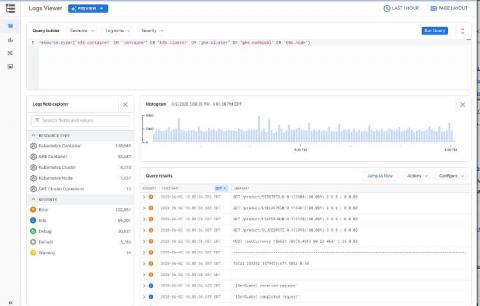
Logs are an important part of troubleshooting and it’s critical to have them when you need them. When it comes to logging, Google Kubernetes Engine (GKE) is integrated with Google Cloud’s Logging service. But perhaps you’ve never investigated your GKE logs, or Cloud Logging? Here’s an overview of how logging works in GKE, and how to configure, find, and interact effectively with the GKE logs stored in Cloud Logging.