A new year with a new look and many more...
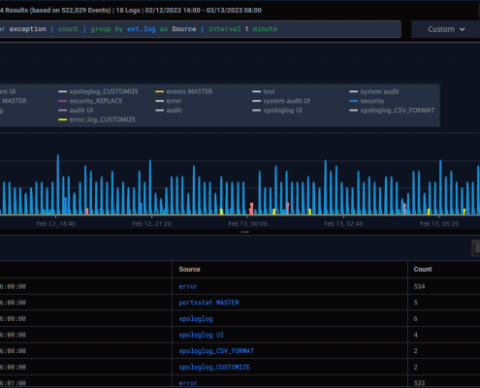
Simplified analysis. Enhanced visualizations, alerting capabilities, advanced data forwarding, and more. Great news! We have published a new update with many exciting new features and optimizations.


Simplified analysis. Enhanced visualizations, alerting capabilities, advanced data forwarding, and more. Great news! We have published a new update with many exciting new features and optimizations.
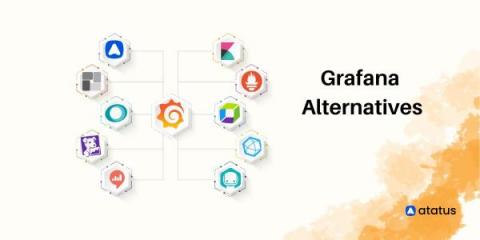
Grafana is a powerful open-source data visualization platform created by Torkel Ödegaard in 2014. With its front-end written in Typescript and a Golang back-end, this data monitoring platform allows users to create and share interactive and dynamic dashboards with custom charts and panels using data from various sources, including InfluxDB, Prometheus, Elasticsearch, and many others. Template variables are also available as dropdown options to create dynamic and reusable dashboards.
While it’s fair to say there’s plenty of disagreement among many issues these days, most consumers—across all income levels—generally agree on something: a sense of pessimism surrounding our current economy. So says the Index of Consumer Sentiment, a widely regarded metric from the Surveys of Consumers, as tabulated by the University of Michigan.
The year was 1995. Michael Jordan returned to the NBA. Amazon sold its first book. Windows 95 unleashed the era of taskbars, long filenames, and the recycle bin. And when people weren’t dancing the Macarena, they were flocking to see Apollo 13 and hear Tom Hanks utter the phrase that would launch millions of (mostly annoying) impersonations: “Houston, we have a problem.”
Cloud networking is the IT infrastructure necessary to host or interact with applications and services in public or private clouds, typically via the internet. It’s an umbrella term for the devices and strategies that connect all variations of on-premise, edge, and cloud-based services.
Third-party JavaScript libraries provide developers with the tools they need to build modern web experiences, and a bit of cheatcode at times to not have to start from scratch. I mean, you don’t want to build an entire monitoring solution, so we help with Sentry’s Next.js SDK that only requires a couple of lines of code.
When thinking about your strategy around backups, recovery, availability, and business continuity, one part of the plan tends to fall by the wayside: backup retention. We focus so much on things like recovery objectives, SLAs, and tiers of data, that our thinking revolves around the need to potentially recover the backup that we just made a matter of minutes afterward. But there are data sets that need to be available weeks, months—even years—after they are made.