How to throw custom exceptions inside Logic Apps: Using default capabilities (Part I)
In this blog, I will speak about “How to throw exceptions inside Logic Apps using default capabilities”. Let’s get started!


If you can harness the power of intelligent workflow automation, it has the potential to transform your operations and enable you to deliver on customer expectations. StartingPoint can provide your team with the necessary tools to embrace intelligent workflow automation. Before breaking down this platform, let’s take a step back and define what intelligent workflow automation is.
The days of taking an afternoon off from work to head over to the bank are long gone. Banks have rapidly digitized, offering the vast majority of their services to customers remotely. Now users can save, invest, borrow, and make other financial transactions from the comfort of their smartphone, wherever they are. Despite this consumer-facing digitization, many banks have clung to the status quo when it comes to their field operations.
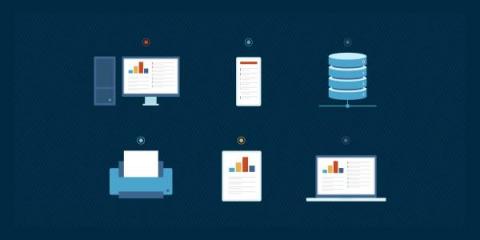
By 2030, experts predict that there will be over 40 million connected devices worldwide. These “devices” are a variety of endpoints, such as laptops, smartphones, computers, and more. Businesses and organizations around the world rely on these endpoints to complete tasks, communicate, and access information. In this overview, we’ll go over the different types of endpoint devices and how they affect an IT environment.
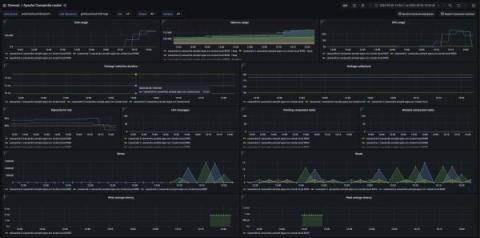
Apache Cassandra is a highly scalable, open source NoSQL database system designed to handle large amounts of data across multiple commodity servers with no single point of failure. Apache Cassandra can be run as a single node but starts making sense when its run in a cluster setup. The system is optimized for high write throughput and is known for its ability to handle big data workloads with ease at super-low latencies.
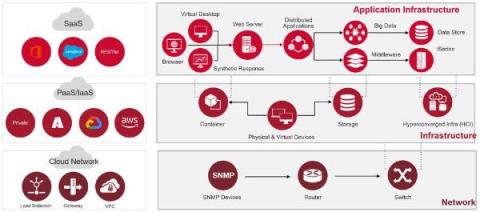
It is not always possible or necessary for an organization to rely solely on cloud resources. For example, requirements might call for on-premises infrastructure for privacy reasons. Alternatively, some organizations might use both on-premises infrastructure and public cloud services provided by companies like AWS, Azure, or Google.
Root cause analysis (RCA) is a systematic approach to defining symptoms, identifying contributing factors, and repairing faults when problems arise. The process can be applied to virtually any problem in any industry, from NASA’s Apollo 13 mission to everyday tech problems that happen within modern IT departments.