Monitoring is often not the first thing on the mind of the modern developer. Yet, it’s necessary at many points of the software development lifecycle, including: before deprecating an API, before launching a new feature, after launching the feature, and more. In fact, monitoring needs can vary much more than the classic Ops monitoring. My podcast guest Liran Haimovitch is the co-founder and CTO of Rookout, a live data collection and debugging platform.
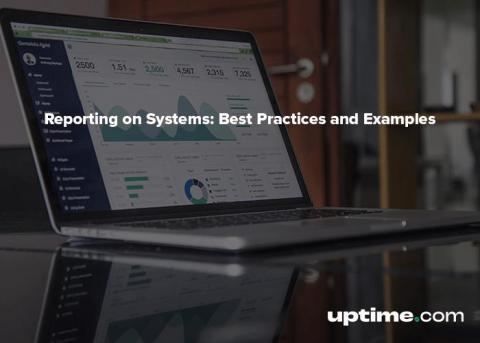
Reporting on systems is a necessity – whether you are responsible for reporting to internal and external stakeholders, or want to make status reporting accessible for your end users. Integrated tools make reporting a practical extension of your monitoring to save you time without compromising key metrics.
Software exists to make your job easier, not to suck the joy out of your work. It should be there when and if you need it, but be completely out of the way when you don’t — you’re at work to get a job done, not to use any particular product. If you’re forced into using the same underperforming, over-customized, difficult to implement, or just generally terrible software each and every day, it can really put a damper on the quality of your work and quality of life.
We’re delighted to share that Ivanti has been named a leader in the Omdia Universe Enterprise Service Management (ESM) Report for 2022-2023 . Omdia’s annual report aims to evaluate high-quality ESM solutions available in the market to support both IT and business leaders in selecting the right ESM platform that best meets their needs and long-term goals.
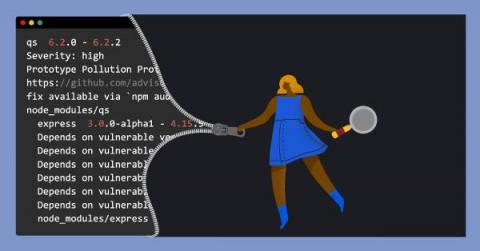
Node.js is one of the best and most widely used Javascript runtimes used for building APIs. But, this popularity status has led to many hackers distributing insecure modules that exploit the Node.js application or provide a weak point for exploitation. In this tutorial, you will learn how to audit Node.js modules and also detect vulnerabilities in modules using npm audit.
Configuration files can take some time to set up, but after that initial push they are easy to forget about. “If it’s not broken, don’t fix it” is a common approach that many developers take with their configuration files. But when it comes to your continuous integration pipelines, small changes can have huge benefits.
ICYMI, the recent release of Sensu 6.7.0 introduced the Sensu Integration Catalog – an open marketplace for Sensu Go. Along with the release, we also hosted a webinar highlighting how the Sensu Integration Catalog unlocks self-service infrastructure monitoring. In the webinar, we talked about the “what and why?” – what problems does the Catalog solve, and why we decided to solve them with a marketplace.