Operations | Monitoring | ITSM | DevOps | Cloud

Tools for Time Series Data Science Problems with InfluxDB

This article was originally published in The New Stack and is reposted here with permission. You might need to perform anomaly detection or forecasting if you’re working with time-series data. The first step before working on your time series is finding the right data store. To effectively detect or forecast your data, you will require a data store that can handle a large volume of data at a high ingest rate. Therefore, you might want to look at using a purpose-built time-series database.

Feature Focus: August 2022

It’s already September! Time flies by when you’re getting things done, and we’ve been a busy bunch of bees here at Honeycomb. 🐝 We’re excited that we’ve gotten to share some of those changes with you already, like our relaunched interactive sandbox and the beta release of our OpenTelemetry log support and Go distribution, but that’s just the tip of the iceberg.

Measuring Cloud Unit Costs for FinOps

Cloud adoption has been on an upward trajectory for over a decade with no signs of slowing down. As widescale migration becomes the norm, organizations are realizing cloud financial management — also referred to as FinOps — is critical to creating long term value in the cloud. Building a culture of financial discipline requires visibility and a strategy for measuring success along the way.

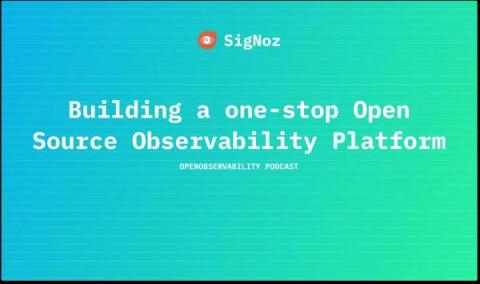
Building a one-stop Open Source Observability Platform | OpenObservability Podcast

Pranay, one of the the co-founders at SigNoz, was recently invited as a guest speaker by Jonah Kowall, CTO at Logz.io on his OpenObservability Podcast. In the podcast, Pranay talks about the mission behind SigNoz - unifying traces, metrics, and logs in a single platform and interface. He also shared anecdotes about the evolution of SigNoz since its inception, the community adoption, and its contribution to SigNoz.

How DBAs are Using SolarWinds DPM and Marginalia to reduce MTTR

Database performance is critical to business revenue. Slow and non-responsive databases can result in hundreds of thousands or millions of dollars in lost revenue from poor customer experience and downtime. High expectations in performance require IT infrastructure to function at full speed. In 2006, an Amazon study found that every 100ms in added page load time cost them 1% in sales.

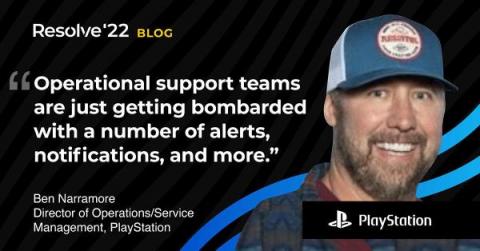
RESOLVE '22: Measuring what matters

Companies can take big strides toward “preventing preventable” incidents by minding what they measure. What’s in a name? In Measuring what matters, one of the panels at our RESOLVE ‘22 event, the three words in the title reflect a plan successful IT Ops teams have embraced to reduce the complexity of their reporting systems—resulting in a faster path for companies to make more effective use of all the IT resources at their disposal.

7 ways to build a better service desk

The recipe for a delightful employee experience is all about adding heaps and heaps of delightful service desk experiences. Think about it, what good is a service desk if it doesn’t solve your employees’ day-to-day tech issues? According to Forrester’s The State Of The Service Desk, 2022 report, only 66% of employees contact their service desk more than once a year.

Putting your MSP customers first means putting your people first too

At N-able, we pride ourselves on creating a world-class culture where people are the center of everything. We know that when we take care of our N-ablites, they will be able to bring their best energy to work every day and focus their time and attention on supporting our customers. This same idea holds true for MSPs—and anyone who wants to create an exciting and desirable culture within their own organization.

What is a Data Warehouse? Benefits and Tips

A data warehouse (DW) is a centralized repository of data integrated from multiple systems.. This data is often cleansed and standardized before being loaded. Designed to support analytical workloads, a data warehouse can help organizations better leverage both current data and historical data to improve decision-making through the analysis of business processes and outcomes.