Operations | Monitoring | ITSM | DevOps | Cloud

What is the most common cause of hydraulic pump failure?

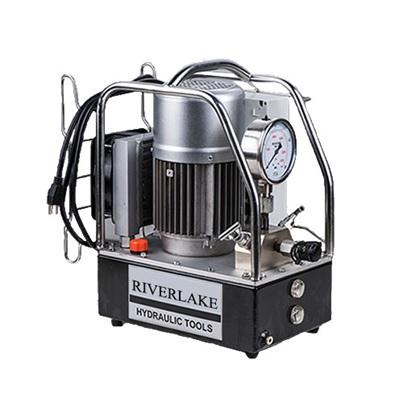
Hydraulic pumps are an essential part of modern manufacturing. They're used to move fluids-from oil to water-in various industrial applications, from agriculture to construction. Given their importance, it's not surprising that hydraulic pump failures are common. This blog post will explore the most common causes of hydraulic pump failure and what you can do to prevent them.


Troubleshooting Azure SQL Database Performance Issues

When applications suffer performance degradation often the root cause of the issue is a database problem. In this guide we’ll show you 7 ways to troubleshoot your Azure SQL database performance issues using metrics and insights from the eG Enterprise monitoring solution.

Your guide to Kubernetes Dashboards

As a developer, it can become challenging to manage Kubernetes and develop applications simultaneously. That’s why we put together this guide to show you how the Kubernetes Dashboard can help developers overcome this problem and get an overview of the cluster and its workloads. From this, developers can focus more on application development while stressing less on cluster management.

EC2 Instance Types 101: The Definitive Guide For 2022

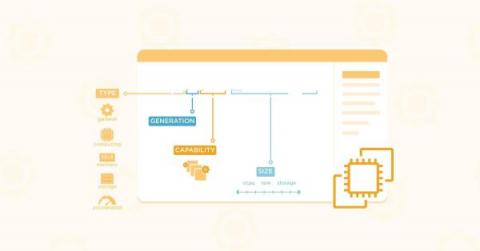
Yet, the same flexibility that makes EC2 so appealing can also make it complex, confusing, and unnecessarily costly. A good way to understand the compute service is to familiarize yourself with EC2 instance types, and what the best use cases are for each. This guide will cover that and more.

More Apps, More Problems: Is Your IT Team Suffering from Software Sprawl?

What is software sprawl, and why is it impacting more organizations than ever? Find out the top causes and how IT teams can regain control. In an effort to support evolving workforces and new technology, more organizations have recently implemented additional operational tools. These new tools often have a specialized purpose or were added to make processes more efficient. In most cases, however, it’s simply resulted in more management responsibility being added to an already stressed IT team.

Why You Need Self-Service Infrastructure

Engineering teams’ autonomy and agility are vital in achieving efficient software development. However, manual infrastructure provisioning is a major source of inefficiency and bottleneck. As the developers wait for Ops teams to provision complex infrastructure, they cannot bring the creativity, speed, and agility expected of them. This is the reason successful companies are quickly adopting self-service infrastructure.

Need help choosing an embedded Linux distribution? Get guidance here

Enterprises are looking to capitalise on the new wave of small form-factor computing and navigate the shift to the edge. Device manufacturers across the world are racing to build embedded, connected devices that will deliver on the promise of the fourth industrial revolution. Many of them are looking to explore data-driven value-chain optimisations, predictive maintenance and or new digital customer experiences.

AWS and InfluxDB - Reflections on re:Invent 2022 Keynote

Amazon re:Invent is a major technology event every year. At this year’s re:Invent, the keynote by AWS CEO Adam Selipsky made a concerted effort to draw connections between technology and some of the key challenges that people around the world, and in some cases beyond the terra firma of Earth, face. While the presentation touched on a wide range of topics, one overarching theme was the intersection of the physical and digital worlds, and the role technology plays in bridging that divide.

Tracing with InfluxDB IOx

Tracing has always been a key use case for time series data. But admittedly, it’s also one that past versions of InfluxDB could not handle as well as we wanted. One of the roadblocks was the cardinality issue. Tracing data is, almost by definition, high cardinality data and prior to InfluxDB IOx, high cardinality data could affect query performance.

How to Help Teams Create Optimal Infrastructure for Availability

Teams are locked into a cycle of suffering characterized by the feeling that they are sprinting just to stay still. This morale and productivity-destroying state is caused by an inability to find time to save time. Our new research, The State of Availability Report 2022, discovered that teams know what they want to do—harness cloud and DevOps practices and tools to advance digital transformation—but something’s getting in the way.