The Digital Employee Experience (DEX) is a term that's been gaining momentum in recent years. Simply put, DEX refers to the employee's experience of technology at work. This includes everything from the devices and applications they use to the network connectivity and support they receive. The Digital Employee Experience (DEX) is "a holistic approach to designing and managing the technology environment in which employees work." It includes a variety of components, such as digital workspaces, collaboration tools, and workflow systems. DEX is all about creating an environment that is engaging, productive, and conducive to a positive employee experience.
ManageEngine’s flagship ITSM platform, ServiceDesk Plus, has been named a Technology Leader in the latest SPARK Matrix: IT Service Management Tools report. This recognition reaffirms our efforts to make ServiceDesk Plus a capable ITSM platform that helps enterprises manage and deliver IT and business services.
Internet-of-Things (IoT) devices and technologies have penetrated into our life. Nowadays, we can easily find IoT devices around us. Home appliance manufacturers produce IoT products for smart homes. Car makers invest in smart vehicles that can communicate with other smart cars and IoT objects nearby. Governments allocate huge resources to build smart cities with IoT technologies to improve the quality of life for people and promote economic growth.
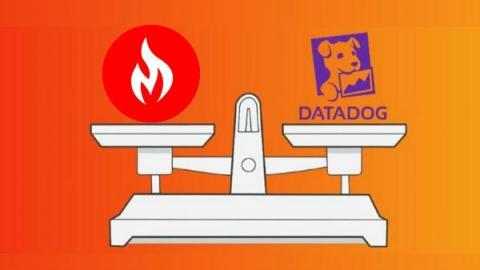
Before we dive into the specifics of each alternative to Datadog, let's address the most critical point: scaling. Datadog is great for users who need to do a little bit of everything, but Datadog's biggest weakness is scaling. Datadog can do logs, APM, time series and more, but scaling time-series metrics, alerts, and servers will cause your monthly bill to escalate. The graph below shows what you pay at Datadog vs. MetricFire, a leading competitor.
IoT devices open the door to all sorts of computing potential, but they can also produce a flood of telemetry data that users need to properly collect and monitor to ensure those devices are working properly. It’s no wonder so many individuals and businesses use Grafana for IoT use cases, whether they’re starting an aquaponic farm in South Africa, managing an industrial-scale electroplating factory in Ohio, or simply keeping tabs on Pretzel the python at its home in the UK.