In today’s world of virtualization, IT professionals are often faced with the challenging task of choosing the right platform for their organization’s needs. Azure, VMware, and Hyper-V are three major players in the virtualization market, each with its strengths and weaknesses.
OpenAI is an AI research and development company whose products include the GPT family of large language models. Since the introduction of GPT-3 in 2020, these models’ fluent and adaptable processing of both natural language and code has propelled their rapid adoption across diverse fields. GPT-4, ChatGPT, and InstructGPT are now used extensively in software development, content creation, and more.
Over the past few years, time series is one of the fastest growing database categories in the world. As more and more organizations realize how critical time series data is to their operations, more database options entered the market. InfluxDB has been the leading time series database for years, and with the release of InfluxDB 3.0, it remains at the vanguard of the time series world.
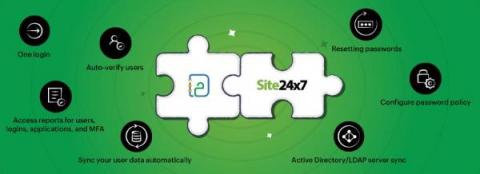
User management poses a significant challenge to business and IT teams alike. Privacy and compliance regulations necessitate restricted access to critical production environments along with any IT tools used within the organization. When personnel transition to new roles, organizations, or departments that no longer require access to production environments, it is imperative that business and IT teams swiftly remove their permissions to avoid any issues that could arise during audits.
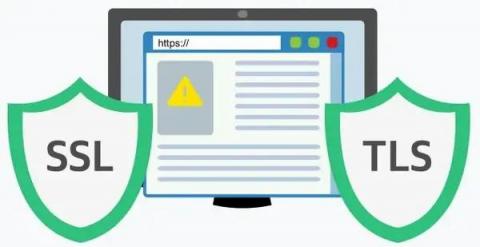
One of the most important considerations if you're seeking maximum security for your website is using encryption protocols. You have two choices: SSL (secure sockets layer) and TLS (transport layer security). These commonly used protocols encrypt internet communications and protect sensitive website data from malicious attacks. Let's cover the key differences between SSL and TLS and point you in the right direction for choosing the best protocol for your website.
Although some organizations may hesitate to publicly announce when they have an incident — afraid that acknowledging outages will scare customers away — the opposite is often true. When you proactively communicate with your customers, even during bad times, you have the opportunity to not only build trust but also buy grace during the incident.
We are thrilled to unveil our new branding and website, reflecting our commitment to providing engineers with the best monitoring as code (MaC) platform for modern software stacks. Our rebranding efforts signify a new era for Checkly and highlight our commitment to continuous innovation and dedication to enabling a MaC workflow for you and your teams.
Asset Tags are an essential tool for businesses and organizations that need to manage their assets efficiently. These small tags, which are typically attached to equipment, provide an easy way to track and manage the location, status, and maintenance of assets. Asset Tags can be used in a wide range of industries, including manufacturing, healthcare, retail, and education, among others.
Asset tracking is an essential process for manufacturers to manage their physical assets efficiently. It involves tracking and managing assets such as machinery, equipment, tools, and materials throughout their lifecycle, from acquisition to disposal. Effective asset tracking helps manufacturers keep track of their assets, manage their inventory levels, reduce costs, and improve their operational efficiency. One technology that has been widely adopted for asset tracking in manufacturing is barcodes.