Operations | Monitoring | ITSM | DevOps | Cloud

Understanding Flame Graphs for Visualizing Distributed Tracing

In the ever-evolving world of software development, one constant remains - the pursuit of better performance. As applications grow in complexity and demand, the need for tools to uncover performance bottlenecks becomes paramount. Flamegraphs, a brainchild of Brendan Gregg, has emerged as an important visualization of insight, showing those dark corners of your codebase that need optimization.
Sponsored Post

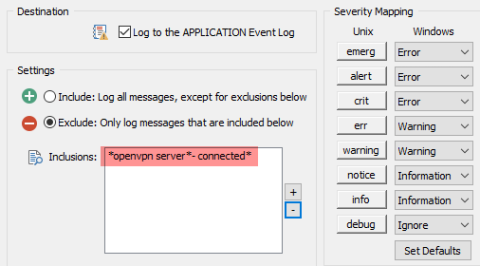
Revealing Suspicious VPN Activity with Anomaly Detection

Anybody who monitors logs of any kinds, knows that the extracting useful information from the gigabytes of data being collected remains one of the biggest challenges. One of the more important metrics to keep an eye on are all sorts of logons that occur in your network – especially if they originate on the Internet – such as VPN logins.

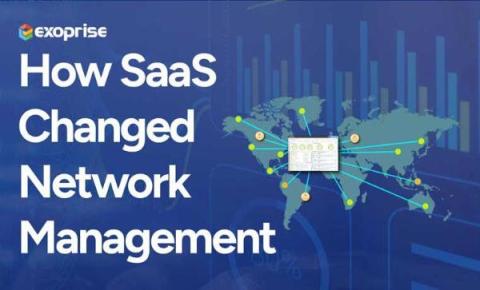
How SaaS Changed Network Management

Work environments, the network that supports them, and the network management tools to fix those work environments seem to have changed overnight. But the shift was one which was long in the making, several decades to be exact. With the acceleration of work from home due to the pandemic, SaaS services accelerated into a necessity. Along with this dramatic shift, network management shifted to accommodate SaaS and gone were seemingly static paradigms about work and networking.

Graylog Cluster: Navigating Shared Data Like a Pro

As data-rich solutions are important for many businesses, technical information can become overwhelming, especially regarding shared environments and multi-tenancy. In the world of Graylog, we understand these challenges and present the tools you need to keep your cluster running smoothly. Let’s dive into how you can effectively manage shared Graylog clusters.

Step-by-step Guide for Monitoring Redis Using Telegraf and MetricFire

Monitoring Redis instances is essential for maintaining performance, reliability, and security. It allows you to detect issues early, optimize resources, and provide a seamless experience for both developers and end-users. Monitoring your database allows you to track key performance metrics such as memory usage, CPU usage, and query response times. By analyzing these metrics, you can identify performance bottlenecks, optimize queries, and ensure that Redis is operating efficiently.

Data Lake Strategy: Implementation Steps, Benefits & Challenges

Data lakes have emerged as a revolutionary solution in the current digital landscape, where data growth is at a 28% CAGR with no signs of slowing. These repositories, capable of storing vast amounts of raw data in their native format in a vendor-neutral way, offer unprecedented flexibility and scalability.

Managing Kubernetes Events with Cribl Edge

When we discuss observability for applications running in Kubernetes, most people immediately default to Metrics, Logs, and Traces – commonly referred to as the “three pillars.” These pillars are just different types of telemetry – signals that can be fed into observability platforms to help understand how an application behaves. But did you know that Kubernetes offers another valuable signal? When combined with the other signals, you get MELT.

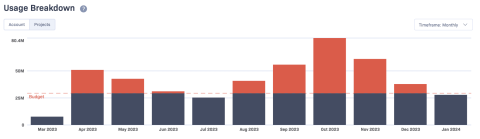
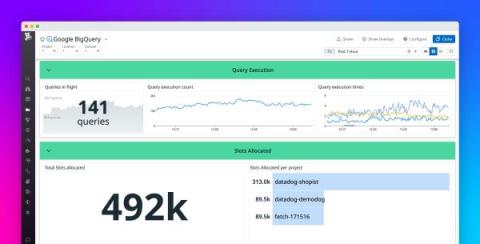
Monitor BigQuery with Datadog

BigQuery is Google Cloud Platform’s fully managed serverless data warehouse. It enables data analysis and storage at petabyte scale while eliminating the overhead of managing infrastructure. As a managed service, BigQuery autoscales and provisions compute resources and storage as needed, helping you reduce the overhead of managing infrastructure but also reducing your visibility into performance. And BigQuery users face other challenges when it comes to visibility.