Operations | Monitoring | ITSM | DevOps | Cloud

Are You Forensic Ready?

In the landscape of everyday operations, the concept of forensic readiness may often linger unnoticed in the background. When a crisis strikes, be it a major system outage or a security breach. The importance of being forensic ready as part of your overall digital resiliency strategy suddenly becomes evident. That’s the moment you realize it’s necessary for a thorough investigation. The findings enable you to have an effective response and proportionate mitigative actions.


OpenTelemetry: 3 questions to ask before choosing an observability solution

As OpenTelemetry rises in popularity, more organizations are implementing, or planning to implement, the open source project to monitor their applications — and, meanwhile, more vendors are offering OpenTelemetry support. In fact, a quick Google search for “OpenTelemetry support” shows results ranging from legacy APM vendors to newer, cloud native solutions like Grafana Cloud.

Analyzing the Impact of Website Speed on User Engagement

Welcome to the high-speed chase of website performance! As emerging techies in the realms of DevOps and Site Reliability Engineering (SRE), you’re about to embark on a thrilling journey to understand one of the most critical aspects of user experience—website speed. In this digital era, where a millisecond can make or break a user’s engagement, it’s essential to grasp the nuances of website performance.

Grafana vs Splunk - An Overview

Monitoring tools serve as essential tools for computer systems, diligently collecting and analysing data to enhance decision-making and and prevent potential issues. Monitoring tools give you real-time information, helping you quickly find and fix problems and also makes sure everything runs smoothly. Thus effective monitoring tools are a necessity for businesses seeking insight into their IT infrastructure.

Using Time Series Data for Infrastructure Monitoring: Challenges and Advantages

Monitoring the performance and health of infrastructure is crucial for ensuring smooth operations. From data centers and cloud environments to networks and IoT devices, infrastructure monitoring plays a vital role in identifying issues, optimizing resource utilization, and maintaining high availability. However, traditional monitoring approaches often struggle to handle the volume and velocity of data generated by modern infrastructures. This is where time series databases, like InfluxDB, come into play.

Navigating the Waters of System Performance: A Deep Dive into a Recent Incident

In digital transactions, even the slightest hiccup can ripple through the system, causing significant disruptions. Our recent encounter with an unexpected system slowdown and a noticeable drop in transaction success rates is a testament to the intricate balance required to maintain seamless operations. This post aims to shed light on the incident, our findings, and the measures we’ve taken to fortify our system against future disturbances.

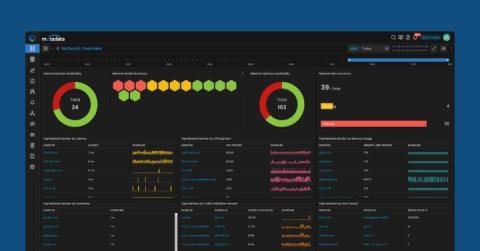
Network Monitoring Dashboard: Features, Criteria, and Tips

Today, more than 95% of professionals use networks for communications, file transfer, and other business operations. The more a business is dependent on the latest technologies and practices, the more complex their network will be. So, no matter whether you run a small company or a large organization, with modern networking, chances are high that administrators might face network issues with the management of complex networks.

70 Facts and Stats on AWS in 2024

Amazon Web Services is one of the most popular services that StatusGator users subscribe to so they can be among the first to learn if AWS or any of its components or regions experience downtime. Previously, we already explored the least reliable AWS Region, and we continue to explore the most popular cloud computing platform. Here are facts on Amazon Web Services as of 2024 split into categories.