Operations | Monitoring | ITSM | DevOps | Cloud

8 questions for cloud cost optimization-Part 2

This is a two-part blog series which covers the fundamental questions businesses need to ask for cost-efficient cloud usage. These questions include: While you can find the first four questions answered in the first part of this series, you can also get access to the full list by downloading our latest white paper, How IT leaders can drive more with less: An enterprise guide to technology adoption and cloud usage in a disrupted economy. Now let’s explore the second half of the checklist.

Selector Optimizes Performance of the Epic EMR Environment

Quality medical care today relies on “health systems” built from geographically distributed healthcare settings such as hospitals, urgent care clinics, imaging centers, nursing homes, pharmacies, and specialist offices, among many others. Each setting shares data within the broader health system through Electronic Medical Records (EMRs). EMR systems, which were purpose-built to manage patient records, help improve patient outcomes through the real-time sharing of patient data.

The benefits of anyone being able to build synthetic tests

Many businesses in the current market have integrated both DevOps and agile to stay ahead of the competition. A recent report showed that 97% of companies have now shifted to using agile development methods. By implementing the two concepts, businesses achieve higher customer satisfaction levels and more brand loyalty. One element that makes it possible to achieve these goals is process automation.

Mastering Telemetry Pipelines: Driving Compliance and Data Optimization

I had the opportunity to present with Michael Fratto, Senior Research Analyst at S&P Global Market Intelligence, at a virtual event hosted by Redmond. We discussed how telemetry pipelines are critical in controlling telemetry data (logs, metrics, events, and traces). Mike shared excellent insights from his recent research survey that discussed the proliferation of observability tools in enterprises and the challenges organizations face in managing those tools. ‍

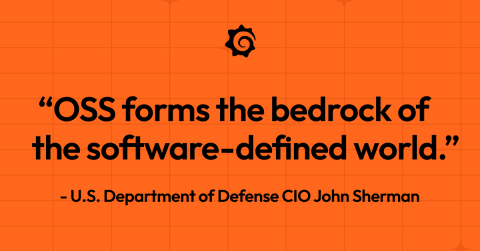
How the DoD is embracing OSS and DevSecOps modernization with Grafana

When it comes to observability, we believe open source will win in the end. It’s a sentiment shared by a wide spectrum of users, whether they work in auto manufacturing, banking, or shipping. The U.S. federal government is yet another industry to prove this, showing that even those operating under the strictest security and compliance requirements see OSS as their preferred approach.

Monitoring 101: Gaining Visibility into Your Hybrid Cloud Infrastructure

Savvy organizations are embarking on a journey toward Autonomic IT to better manage their IT environments, particularly as hybrid configurations grow in popularity and are accompanied by greater complexity. Driven by AI and automation, Autonomic IT can help organizations optimize resource allocation, improve the effectiveness of maintenance efforts, avoid downtime, and keep end users happy.

Dedicated Server vs Cloud Server

When hosting your website or application, you have two main options: dedicated servers and cloud servers. This article will explain the differences between these two hosting solutions, helping you understand which one might be the best fit for your needs. We'll look at the features, benefits, and use cases of each option, allowing you to make an informed decision for your hosting environment.

Boost Your Monitoring Stack: Add InfluxDB to Prometheus Node

Prometheus is the go-to observability tool for countless developers and organizations, and for good reason. The popular open source tool doesn’t require any up-front costs or result in vendor lock-in. Prometheus’ short on-ramp makes the technology well-suited for organizations looking to jump-start their cloud monitoring journey.

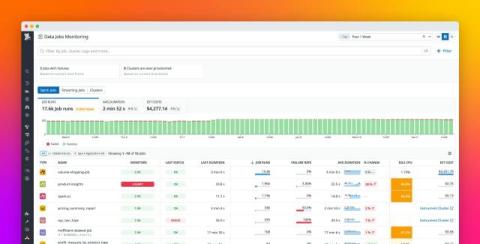
Troubleshoot and optimize data processing workloads with Data Jobs Monitoring

Data is central to any business: it powers mission-critical applications, informs business decisions, and supports the growing adoption of AI/ML models. As a result, data volumes are only increasing, and teams rely on engines like Apache Spark and managed platforms like Databricks or Amazon EMR to process this data at scale.

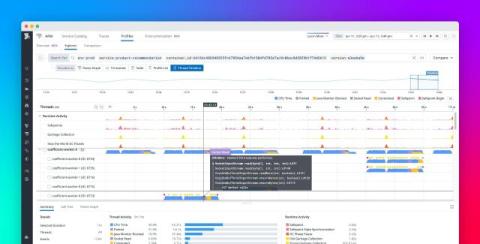
Diagnose runtime and code inefficiencies in production by using Continuous Profiler's timeline view

When you face issues like reduced throughput or latency spikes in your production applications, determining the cause isn’t always straightforward. These kinds of performance problems might not arise for simple reasons such as under-provisioned resources; often, the root of the problem lies deep within an application’s runtime execution.