Operations | Monitoring | ITSM | DevOps | Cloud

Real-time Monitoring - Guide to Real-time Network Monitoring

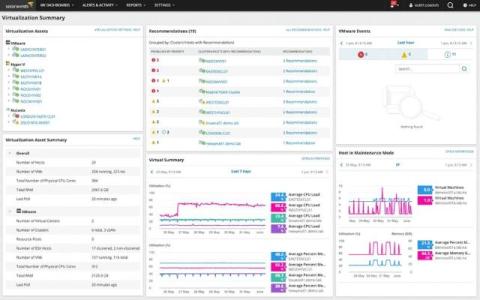
Maintaining a reliable and secure network is essential for businesses of all sizes. Real-time network monitoring has become crucial, allowing organizations to monitor their network performance and security at every moment. This guide will explore what real-time monitoring entails, how it works, and why it matters for your organization. We will also look into some popular tools like SolarWinds Observability, Datadog, ManageEngine, and Paessler.
The future is now, introducing Dynamic Observability from AI innovations built on logs

A year ago, I shared my thoughts at re:Invent, explaining why I joined Sumo Logic as CEO and laid out the importance of logs as a key differentiator. A year later, the atomic level of logs is even more paramount. It’s not just because Sumo Logic is years ahead in technology when it comes to ingesting and analyzing structured and unstructured logs.

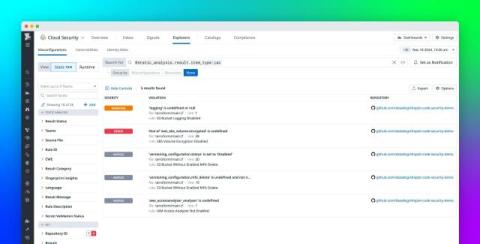
Secure your cloud environment from end to end with Datadog Infrastructure-as-Code Security

Infrastructure-as-code (IaC) tools like Terraform and CloudFormation allow teams to define, manage, and provision their cloud infrastructure using code, as opposed to clicking through consoles or executing commands via a CLI. IaC adoption is now widespread and helps teams increase productivity and efficiency, but it also introduces new surface area for mistakes, defects, and other risks.

How to Fix "Upstream Connect Error" in 7 Different Contexts

The error "upstream connect error or disconnect/reset before headers. reset reason: connection failure" has become a challenge for DevOps teams. This critical error, occurring when services fail to establish or maintain connections with their upstream dependencies, can significantly impact system reliability and user experience.

Prometheus Blackbox Exporter vs Kuberhealthy for K8s monitoring

We all implement tools to monitor our nodes and keep our entire cluster up and running. But how often do updates, failures, or errors mean that users suffer outages, even though our status boards look green? As Kubernetes has enabled more complex microservice architecture, the gap between the state of the dashboard, and the health of services for the user, has grown wider.

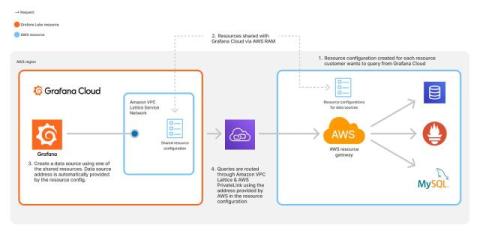
How to query private network data without an agent using AWS and Grafana Cloud

Connecting to data sources in a private network or an Amazon Virtual Private Cloud (Amazon VPC) can require extra attention to the network security configuration to prevent unintended network exposure. For example, if you wanted to query a network-secured data source, like a MySQL database or an Elasticsearch cluster, that is hosted in an on-premises private network, you would need to open your network to inbound queries from a range of IP addresses.

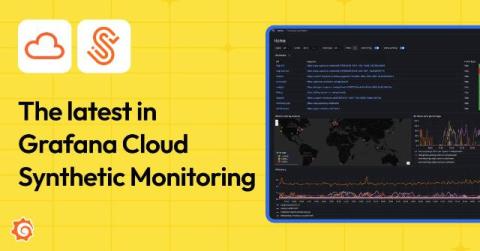
The evolution of Grafana Cloud Synthetic Monitoring: new features, pricing updates, and more

With 2024 coming to a close, it’s a good time to reflect on how Grafana Cloud has evolved this year — and synthetic monitoring, in particular, is one area where we’ve really focused our efforts. In May, we rolled out a revamped version of Grafana Cloud Synthetic Monitoring with the overall goal of making your monitoring processes not just more efficient, but more impactful.

Uptime vs. Availability: What's the Difference and Why It Matters

In June 2019, a curious thing happened. Students were forced to go fully analog, putting pencil to paper when they couldn’t log in to their Google Classroom accounts. Avid media consumers sat staring blankly at buffering YouTube videos. Gmail notifications came to a screeching halt as inboxes sat eerily quiet. It wasn’t that the Google Cloud Platform had crashed — far from it.