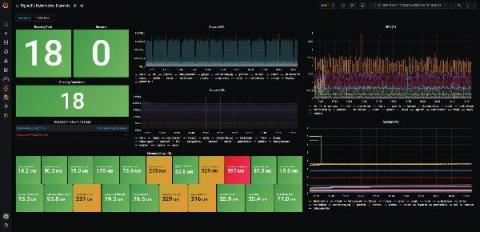
Greetings! This is Mike reporting from the Solutions Engineering team at Grafana Labs. In previous posts, you might have read our beginner’s guide to distributed tracing and how it can help to increase your application’s performance. In this post, we are back to talk about metrics and showcase another one of our newest favorite Enterprise plugins: Splunk Infrastructure Monitoring (formerly known as SignalFx)!
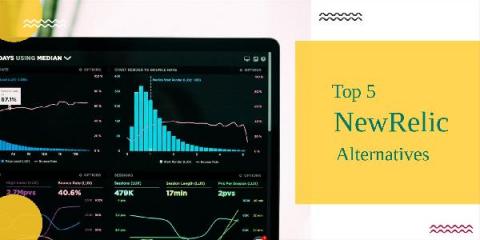
New Relic is one popular for SaaS-based Application Performance Management capable of providing you with a flexible and dynamic approach to monitoring. It is considered to be effective but some may feel it is not cost-effective for small-meidum-size businesses and comes with a very high learning curve. If you want an APM that you can get started quickly, requiring minimal training or experience, New Relic may not be for you.
If you’re a RabbitMQ user, chances are that you’ve seen queues growing beyond their normal size. This causes messages to get consumed long after they have been published. If you’re familiar with Kafka monitoring, you’ll call it consumer lag, but in RabbitMQ-land it’s often called queue length or queue depth.
One of the great things about Logz.io Log Management is that it’s based on the most popular open source logging technology out there: the ELK Stack (click here to view our thoughts and plans on the recent Elastic license). This means Logz.io users get to leverage log shipping and collector options within the rich ELK ecosystem. So how do you know which log shipping technology to use?
In this article, we will discuss major features, differences, and similarities of the open-source monitoring tools known as Prometheus and Graphite. We will then dive into how you can benefit from MetricFire’s hosted Prometheus and Graphite. Lastly, we will explain why, given the choice, hosted Graphite could be a better monitoring option for you. MetricFire provides comprehensive monitoring solutions with Hosted Prometheus and Hosted Graphite.
We can plausibly say the enterprise development market turned the tide on cloud-native development in 2020, as most net-new software and serious overhaul projects started moving toward microservices architectures, with Kubernetes as the preferred platform.
In this post, I will show you, how to monitor your Website in just 2 simple steps.
“Serverless computing is a cloud-computing execution model in which the cloud provider runs the server, and dynamically manages the allocation of machine resources. Pricing is based on the actual amount of resources consumed by an application.” — “Serverless Computing”, Wikipedia This mundane description of serverless is perhaps an understatement of one of the major shifts in recent years.