Operations | Monitoring | ITSM | DevOps | Cloud

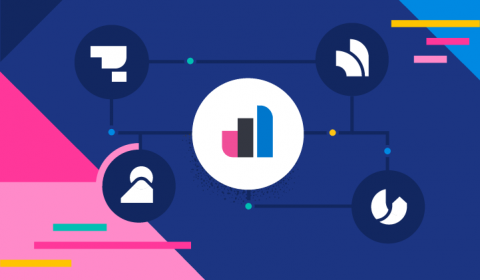
How to monitor containerized Kafka with Elastic Observability

Kafka is a distributed, highly available event streaming platform which can be run on bare metal, virtualized, containerized, or as a managed service. At its heart, Kafka is a publish/subscribe (or pub/sub) system, which provides a "broker" to dole out events. Publishers post events to topics, and consumers subscribe to topics. When a new event is sent to a topic, consumers that subscribe to the topic will receive a new event notification.
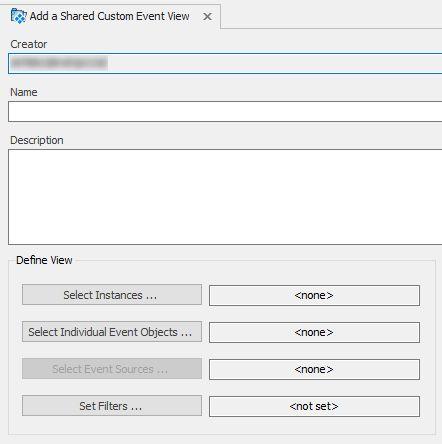

Creating Custom Event Views in SQL Sentry

If you’re using SQL Sentry regularly, there’s a great event management feature that provides a lot of value for our advanced users. I often find the SQL Sentry Event Calendar isn’t being used as often as it once was. The Event Calendar lets you view historical and future events, drill down into event failures, and reschedule jobs using drag and drop all from within the SQL Sentry desktop client. In addition, you can create custom views of events you need to reference frequently.

Looking Back as we Move Forward: A Pandemic Journey - Part 2

Over a year after COVID-19 was declared a global pandemic, the hope of speaking about it in the past tense is something we all still hold on to. Not only are we still being challenged by it in the present, but it has changed the way we think and do many things. However, just because something has become normalized over time (out of necessity) doesn’t mean that everyone has adjusted without incident.

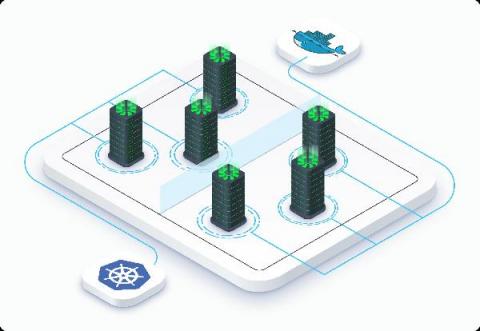
Container deployment showdown: Docker or Kubernetes?

Monitoring the current state and performance of applications is critical for IT Ops and DevOps teams alike. Understanding the health of an application is one of the most effective ways of anticipating potential bottlenecks or slowdowns, yet it’s one of the largest challenges faced by many organizations that build and deploy software. This is largely due to applications’ distributed and diversified nature.

2021: The year of Cortex for IoT?

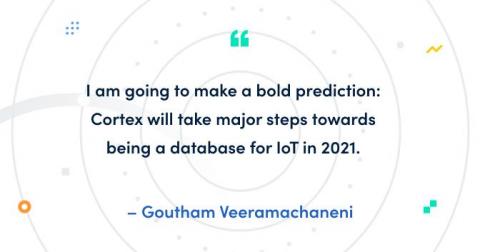
My Grafana Labs colleague RichiH recently talked about why IoT and time series databases work so well together. It just so happens that we have a highly scalable time series database on hand. Let’s talk about that. My name is Goutham, and I am a maintainer for Cortex. I have been working on it for nearly three years out of the four-and-a-half years the project has existed. Cortex is built to serve as a scalable, long-term store for Prometheus.

Finding the Bug in the Haystack: Hunting Down Exceptions in Production

Software companies are in a constant pursuit to optimize their delivery flow and increase release velocity. But as they get better at CI/CD in the spirit of “move fast and break things,” they are also being forced to have a very sobering conversation about “how do we fix all those things we’ve been breaking so fast?” As a result, today’s cloud-native world is fraught with production errors, and in dire need of observability.

Why We Chose the M3DB Data Store for Logz.io Prometheus-as-a-Service

Logz.io is focused on creating the best observability service to manage the scale of monitoring, add value on top of AI/ML technologies, and enhance enterprise security. Metrics is one of the pillars of Logz.io, and our Prometheus-as-a-Service offering. It has been a crucial part of our platform goals, but if we turn the clocks back a year, our service only used the open-source Elasticsearch database (ES).

Observability vs. Monitoring: Analysis of the Divide

There is an idea of the relationship between observability and monitoring, that they complement each other in an inseparable way. While true that you can only monitor a system that is observable, the line dividing observability and monitoring grows narrower with every deployment you make; making these two practices less of a pairing and more a single entity.