Operations | Monitoring | ITSM | DevOps | Cloud

That One Time Using APM Bit Us

At Catchpoint, our mission is to provide customers with actionable data that will help them reduce MTTR and maintain a positive digital experience. We measure "from where the users are" to ensure the data reflects real end-user experience. As someone that's part of the Catchpoint on-call chain, this is extremely important to me. I do not want to be woken up at 2 AM because a server is misbehaving, only to find out that the application failed over gracefully and no users were impacted.

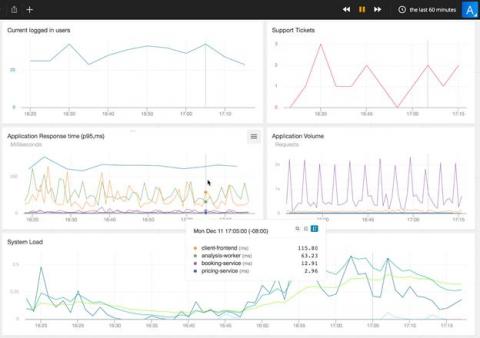
Do You Need an Alert for Your Alerts? Building Smarter Monitoring Systems

Traditional systems monitoring solutions poll various counters (typically simple network management protocol [SNMP]), pull in data and react to it. If an issue requiring attention is found, an event is triggered—perhaps an email to an administrator or the firing of an alert. The admin subsequently responds as needed. This centralized pull approach is resource-intensive. Due to the pull nature of the requests, it results in data gaps and data that may not be granular enough.

How to Troubleshoot Network Issues-Guide and Recommended Tools

You’re going to run into network issues during normal operations—in part because so many kinds of errors can cause noticeable problems in your network. Identifying the root cause of each issue is critical and to do so successfully, you want to make sure you have the right network troubleshooting solutions in your arsenal before wading in. This helps ensure you have a clear understanding of the scope of the problem before you attempt any network troubleshooting steps.

How to build a team that demands metrics

When we talk about metrics in software delivery, a lot of developers think of execution metrics — things like throughput, delivery and number of deploys. But in reality, those metrics don’t motivate anyone — at least not without connecting them to a bigger picture. I’ve worked in software for 23 years. I’m a three-time founder and four-time CTO, responsible for leading a 200+ member distributed engineering organization.

Investigating Network Anomalies - A sample workflow

Network anomalies vary in nature. While some of them are easy to understand at first sight, there are anomalies that require investigation before a resolution can be made. The MITRE ATT&CK framework introduced in Kemp Flowmon ADS 11.3 streamlines the analysis process and gives security analyst additional insight by leveraging knowledge of adversaries' techniques explaining network anomalies via the ATT&CK framework point of view.

Uptime Monitoring: A One-week Project, a Decade In the Making

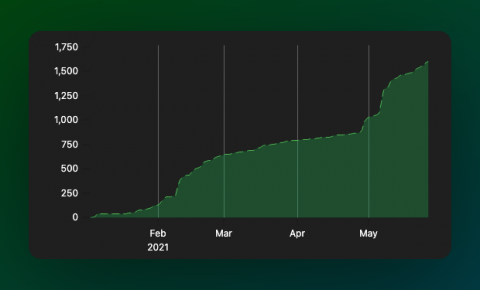
We recently released uptime monitoring, a pretty big addition to our set of features. Our customers have often requested it, and it was a logical next step for us to add uptime monitoring to our app. In today’s post, we’ll explain how we went from considering uptime monitoring impossible to build, to building it in a week. We’ll break down how seemingly over-engineering can really pay off in the end.

Sponsored Post

How to Monitor ALL of Microsoft 365

Only Exoprise provides full coverage for synthetic monitoring of the entire Microsoft 365 suite. The use of 8-10 different synthetic sensors per site provides customers and prospects with an ideal start. These site locations may include corporate headquarters, branch offices, or work from home settings with knowledge workers. Exoprise effectively monitors the health, availability, and performance of applications such as Azure AD, Exchange Online, Teams, Yammer, OneDrive, Outlook, Portal, etc. via synthetic sensors and captures real-time metric data in CloudReady.

Kudos, You've Earned a Digital Experience Monitoring Reward!

Digital experience has existed for a while now. We have now begun to scratch the surface to measure it. So that calls for Digital Experience Monitoring (DEM). DEM extends Application Performance Monitoring (APM) and Network Performance Management (NPM) to view and optimize application performance issues from the end-user perspective.

What is Network Optimization? 8 Reliable Techniques

Network optimization is a set of tools and techniques used to improve network performance and reliability. As such, it’s not a “one and done” operation but an ongoing process. Business requirements dictate a certain level of performance, but time and budget often limit what you can and can’t tweak. So, you optimize within those constraints.