Performance monitoring is an essential part of development. It’s usually one of the first things you’d want to do after setting up an existing project or getting started with a new one. Without monitoring performance, it will be challenging to detect post-development (production issues) issues in your application or how to resolve them. You may end up wasting time attempting to fix something that was never broken.
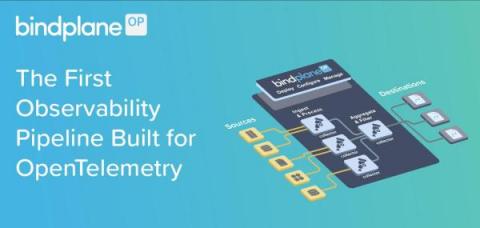
Cloud native and microservice architectures bring many advantages in terms of performance, scalability, and reliability, but one thing they can also bring is complexity. Having requests move between services can make debugging much more challenging and many of the past rules for monitoring applications don’t work well. This is made even more difficult by the fact that cloud services are inherently ephemeral, with containers constantly being spun up and spun down.
Kentik brings real-world business context to the telemetry we collect and the analytics we provide. That’s the overarching theme I got from Networking Field Day: Service Provider 2. As I watched and listened to each presentation, it was pretty obvious to me that Avi, Steve, Doug, and Nina, all technical powerhouses, were a little less focused on packets and a little more focused on how we can improve network operations and a service provider’s ability to make smart business decisions.
More than 17 million developers use Docker to build, ship, and run applications separate from their infrastructure in order to deliver software faster and more efficiently. With the rising popularity of containerized applications, however, it has become increasingly more complex and difficult to observe and monitor applications running across multiple containers.
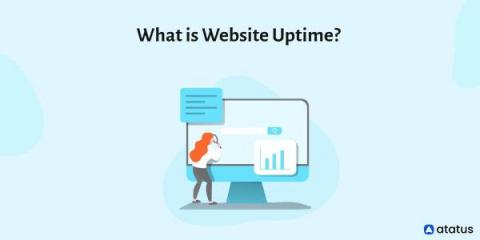
Website uptime is one of the most crucial metrics to monitor, particularly if your website is essential for generating revenue. If no one can access a website, all the work and effort you put into getting a website up and running can be gone. With website uptime monitoring, you can keep track of when and how long your website is unavailable. Website uptime monitoring is a crucial component of website management.
Our latest webinar shows how you can put IT process automation to work for your enterprise.
Power has a way of flowing towards people managers over time, no matter how many times you repeat “management is not a promotion, it’s a career change.” It’s natural, like water flowing downhill. Managers are privy to performance reviews and other personal information that they need to do their jobs, and they tend to be more practiced communicators.