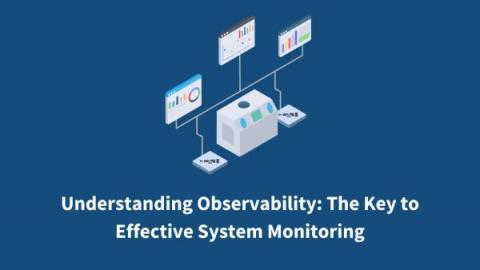
As enterprises build and scale business-critical applications on Azure, they need continuous visibility to understand the health and performance of their services. This can be a challenge, especially for enterprises with large-scale deployments that include an ever-increasing number of subscriptions, resources, and teams.
Alerting is one of the main reasons for having a monitoring system. It is always better to be notified about an issue before an unhappy user or customer gets to you. For this, engineers build systems that would check for certain conditions all the time, day and night. And when the system detects an anomaly - it raises an alert. Monitoring could break, so engineers make it reliable. Monitoring could get overwhelmed, so engineers make it scalable. But what if monitoring was just poorly instructed?
In this article, we will be exploring C# date classes and how to leverage them to handle and manipulate date data in our applications. We will see the different types of date objects that C# handles and the formats that can be represented, and we will learn how to cleanly process date information from users. Let’s jump right in.
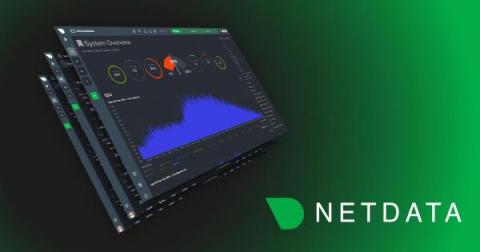
In this blog post, we will explore the importance of scalability, automation, and AI in the evolving landscape of infrastructure monitoring. We will examine how Netdata's innovative solution aligns with these emerging trends, and how it can empower organizations to effectively manage their modern IT infrastructure.
In today's fast-paced digital landscape, 24-hour operations centers play a crucial role in managing and monitoring large-scale infrastructures. These centers must be equipped with an effective monitoring solution that addresses their unique needs, enabling them to respond quickly to incidents and maintain optimal system performance. Netdata, a comprehensive monitoring solution, has been designed to meet these critical requirements with its advanced capabilities and recent enhancements.
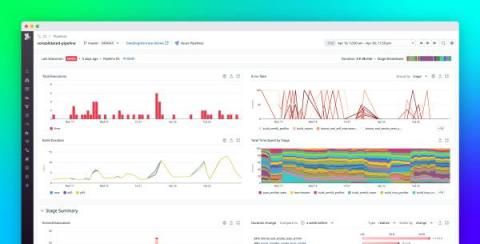
End-to-end visibility into pipelines is crucial for ensuring the health and performance of your CI system, especially at scale. Within extensive CI systems—which operate under the strain of numerous developers simultaneously pushing commits—even the slightest performance regression or uptick in failure rates can compound rapidly and have tremendous repercussions, causing major cost overruns and impeding release velocity across organizations.
There’s a reason everyone dreads debugging, especially in today’s complex cloud systems: it’s at the high stakes nexus of nervous senior management, overworked engineers, neverending rabbit holes, copious buckets of time, and fickle customers.