Operations | Monitoring | ITSM | DevOps | Cloud

New: Status modal integration is here!

At StatusGator, our mission is to make status transparency effortless—for you and your users. Today, we’re introducing a new way to keep your users informed in real time: the Status Modal Embed. Now you can display a compact, customizable modal on your website that shows the current status of your services—incidents, maintenance, or full operational status—all with a direct link to your full status page.

How to be prepared for cloud provider outages

GCP’s recent outage on June 12th was a reminder of just how interconnected modern architectures are. The 2 hour and 28 minute outage affected dozens of companies and spanned 80+ Google services and products. But what was really illuminating was just how far the outage spread due to hidden dependency risks. Many companies that don’t run on GCP were startled to find their services suddenly affected because they had dependencies or depended on vendors that did use GCP.

How to Set Up a Syslog Server: A Complete Step-By-Step Guide

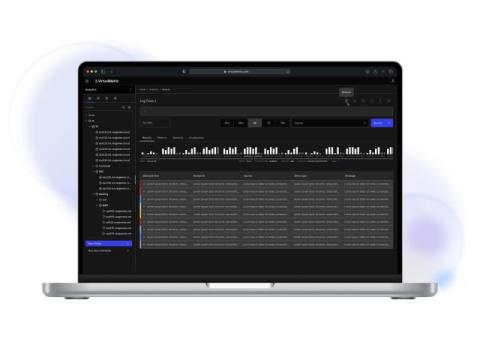
Syslog servers are essential for centralized log management, helping network engineers monitor, troubleshoot, and secure network devices efficiently. This guide walks you through setting up a syslog server from scratch, focusing on practical steps using rsyslog on a Linux system—a common and robust choice for syslog collection. Windows does not have a native syslog server, so you need third-party software.

What is Physical Asset Management Software?

Physical asset management software is a critical tool for modern businesses, designed to track, manage, and optimize their physical resources efficiently. From office equipment to industrial machinery, this software provides visibility into the location, condition, and usage of assets, helping organizations make informed decisions to enhance operational performance, reduce costs, and ensure compliance with regulations.

Automating machine learning security checks using CI/CD

Machine learning (ML) pipelines are increasingly being treated like software; built, tested, deployed, and monitored using automated tooling. But while infrastructure as code and microservices have matured with security best practices, ML systems often lag behind. The truth is, your ML pipeline is part of your software supply chain and it is vulnerable.

Build an AI-powered Golang code review agent with CircleCI and GitHub webhooks

Code reviews are a crucial step in maintaining code quality, but many developers find them tedious and inconsistent. What if you could get helpful feedback automatically, as soon as a pull request is opened? In this tutorial, you’ll learn how to set up and integrate an AI-powered code review agent into your Go project. The agent uses the OpenAI API to post contextual suggestions and praise directly on pull requests.

The Top Reasons Companies Choose Professional Corporate Support Services

Running a successful business requires far more than just offering a great product or service. Behind the scenes, a wide array of administrative, financial, legal, and operational tasks must be handled with precision to keep things moving. That's where professional corporate support services come into play, offering companies the expertise, structure, and scalability they need to focus on growth and performance.

What to Know About How Circuit Boards Are Manufactured Today

Circuit boards are the heart of nearly every electronic device, from smartphones and laptops to medical equipment and automotive systems. These compact layers of interconnected components make modern technology possible by allowing electricity to flow in precise patterns. But while circuit boards appear simple on the surface, their manufacturing process is a complex blend of advanced engineering, automation, and precision.

How AI is Helping Businesses Streamline Website Design Processes

Website design tools powered by artificial intelligence (AI) are redefining digital presence by streamlining development and enabling companies to build stunning websites. These sophisticated technologies let non-designers create professional websites by means of machine learning algorithms optimizing layouts, suggesting color palettes, and knowing consumer preferences. Using content organization and image selection, these technologies help businesses concentrate on building a strong digital presence and enhancing user experiences.